Gear Checklists
Golf gear by layer and by season
A field notes guide to building a golf bag by layer, surface, and weather, with notes on shoes, bags, rain gear, and club competition days.
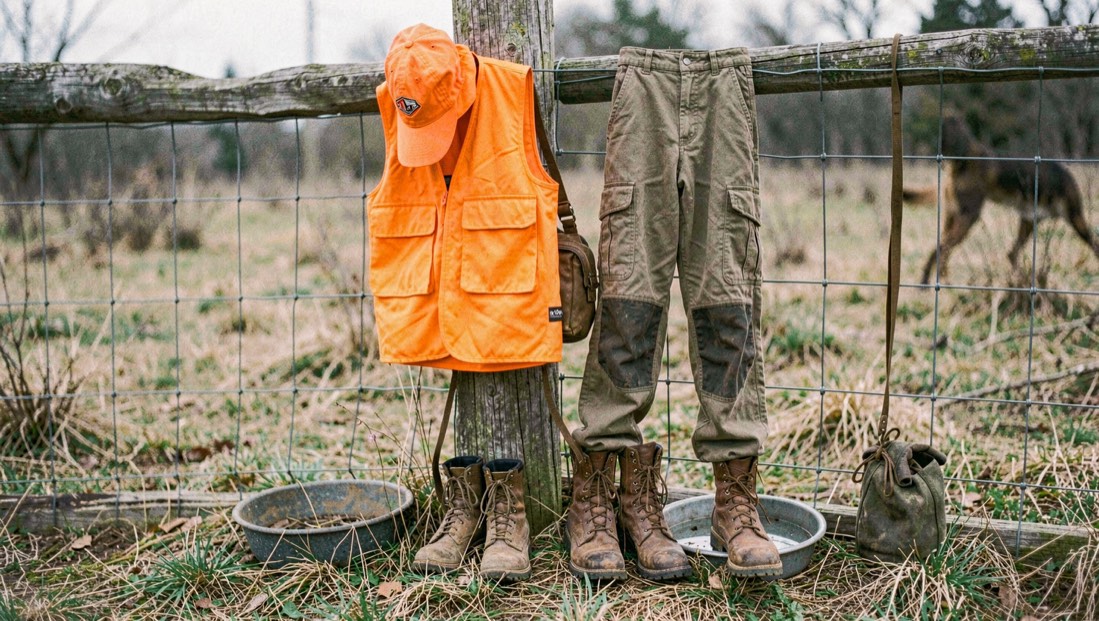
A golf bag is built in layers, not in one shopping trip. Start with the surface underfoot and the weather you expect, then work outward to bags, covers, and clothing. Most players who feel underprepared on the first tee are missing one layer, not five.
The equipment side of the game rewards the same patience as reading a river. You check the ground, the forecast, and the calendar, then choose accordingly. A reference like golf gear by layer can help frame those choices by category and material rather than by brand hype. The rest is fit, habit, and honest notes after each round.
Start with the surface underfoot
Shoes decide how the swing connects to the ground. Two families dominate: soft spikes and hard spikes. Soft spikes suit most parkland and municipal courses, where turf is irrigated and greens are receptive. Hard spikes still appear on wet, soft ground and on some older layouts, where a firmer hold matters more than green friendliness.
Upper materials split into mesh, synthetic leather, and full leather. Mesh moves air and dries faster after a wet round. Synthetic leather holds shape with less break-in. Full leather lasts longer when it is cleaned and conditioned, but it needs more attention. A waterproof membrane sits inside many models, and its rating tells you how much rain it can take before the foot feels damp.
Grips and gloves belong in the same conversation. A glove in cabretta leather gives feel and wears at the palm and thumb. Synthetic gloves last longer in heat and humidity. Grip material, whether rubber, cord, or a wrap style, changes how much pressure the hands need. Players who squeeze hard usually have a grip problem, not a glove problem.
What belongs in a stand bag versus a cart bag?
A stand bag is built for walking. It carries a stand mechanism, a lighter shell, and usually five to seven pockets. A cart bag is built for a trolley or a riding cart. It is heavier, wider at the base, and often has fourteen full-length dividers. A staff bag is larger again, and a travel bag exists to protect clubs in transit.
Headcovers matter more than they look. Knit covers protect irons and wedges from chatter. Leather or synthetic covers protect woods. Strap material decides comfort on the back nine: padded mesh breathes, while leather holds shape and cleans easily. Small accessories, towels, ball markers, and a rangefinder pouch, round out the bag without adding much weight.
The right answer depends on how you play. If you walk most rounds, a stand bag with a wide strap and a light shell is the practical choice. If you ride, a cart bag with a flat base and full dividers keeps clubs organized. If you travel to events, a travel bag with a stiff top and a lockable cover protects the set.
How do you dress for rain, wind, and cold?
Layering beats one heavy jacket. The base layer moves moisture away from the skin. The mid layer, often a knit or a light fleece, holds warmth. The outer layer blocks rain and wind. A rain jacket with sealed seams and a storm flap over the zipper does more than a thicker fabric without them.
Wind changes the calculation. A windbreaker over a polo handles a breezy spring round. Add a knit mid layer when temperatures drop into the forties. Rain pants with a full side zip go on over shoes, which is why the zip matters. A wide-brim hat or a waterproof cap keeps rain off the face and glasses.
Polos and pants follow the same logic. Synthetic blends dry fast and resist wrinkles. Cotton feels better in dry heat but holds water. Pants with a stretch panel move with the swing. Shorts work in summer, but many clubs ask for long pants in the clubhouse or during formal play.
What changes on a competition day?
Competition days add two variables: time and rules. A club championship, a major, or a Ryder Cup weekend all put a premium on being ready before the first tee time. That means a bag packed the night before, shoes cleaned and dried, gloves rotated, and a rain plan already in the car.
Dress codes tighten on those days. Many clubs ask for a collared shirt, no denim, and a hat worn forward. Some events specify team colors or a particular shirt for the final round. Checking the notice before the event saves a trip back to the car.
Spare items earn their place. A second glove, a small towel, a pencil, and a few extra balls cover most mishaps. A waterproof pouch for a phone and a scorecard keeps paper dry. Players who walk should also check strap padding and shoe laces before the round, since both fail quietly.
How should you store gear between rounds?
Storage decides how long gear lasts. Shoes should be cleaned, dried at room temperature, and kept away from direct heat. Heat warps soles and cracks leather. Inserts come out to dry separately. Laces get replaced before they break, not after.
Bags should be emptied of food and wet towels. Zippers get a light brush to clear sand. Headcovers go back on clubs, and grips get wiped with a damp cloth. A dry bag stored in a cool room holds its shape better than one crushed in a trunk.
Clothing follows the same rule. Rain gear hangs to dry before it is folded. Knit layers are washed according to the label and stored flat if they stretch. Polos and pants go on hangers. A small repair kit with a needle, spare button, and seam tape handles most small failures.