Reach 06 · Ethics & Conservation
Ethics and conservation on shared water
Catch and release practices fish actually survive, and the access etiquette that keeps bridges, banks and landowners open for the next season.
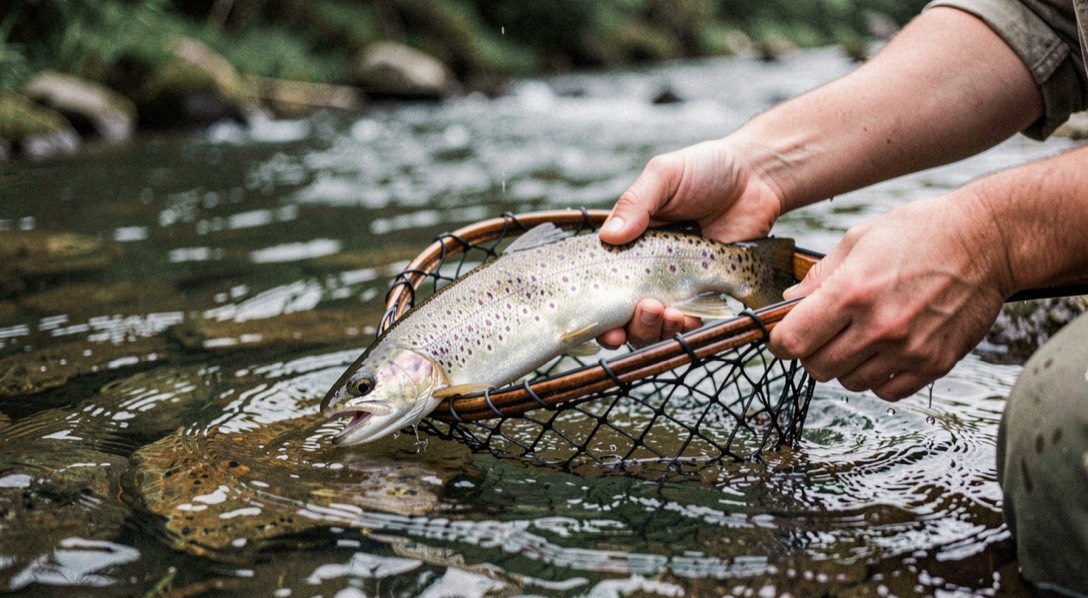
Nothing in this journal matters if the fish and the access disappear. The ethics reach keeps the shortest and most important pages: how to release a trout so it swims away strong, and how to behave on shared water so bridges stay open, landowners stay friendly and pressured runs stay worth fishing.
Both pages are practical rather than preachy. Barbless hooks and short air exposure are techniques with reasons attached, and the etiquette table reads like the customs every good boat ramp and bridge pool already runs on. Read them before the season, and again when you find yourself in a hurry.
In this reach
-
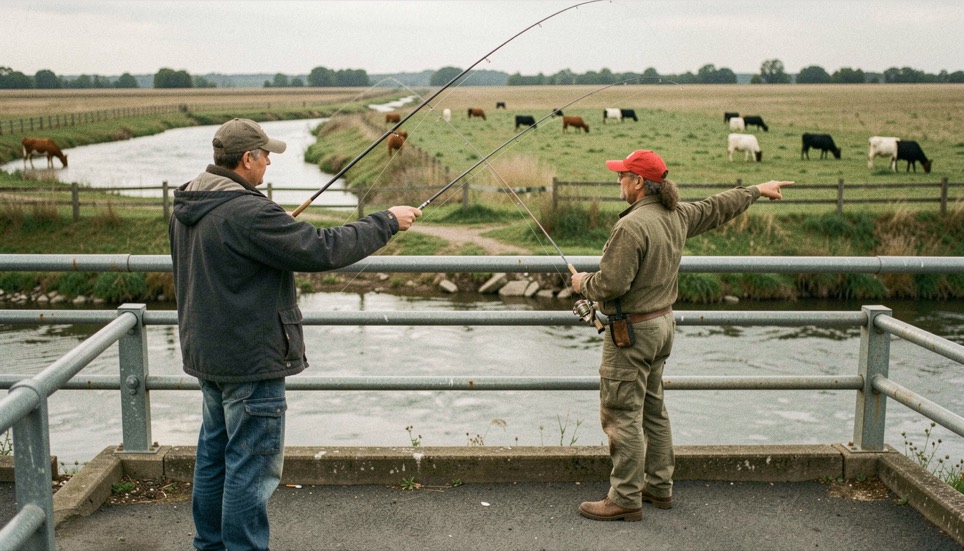
Grace, liturgy and hymns: a Lutheran primer
A plain guide to Lutheran teaching on grace and faith, the shape of a Sunday service, and why hymns carry so much of the worship hour.
-
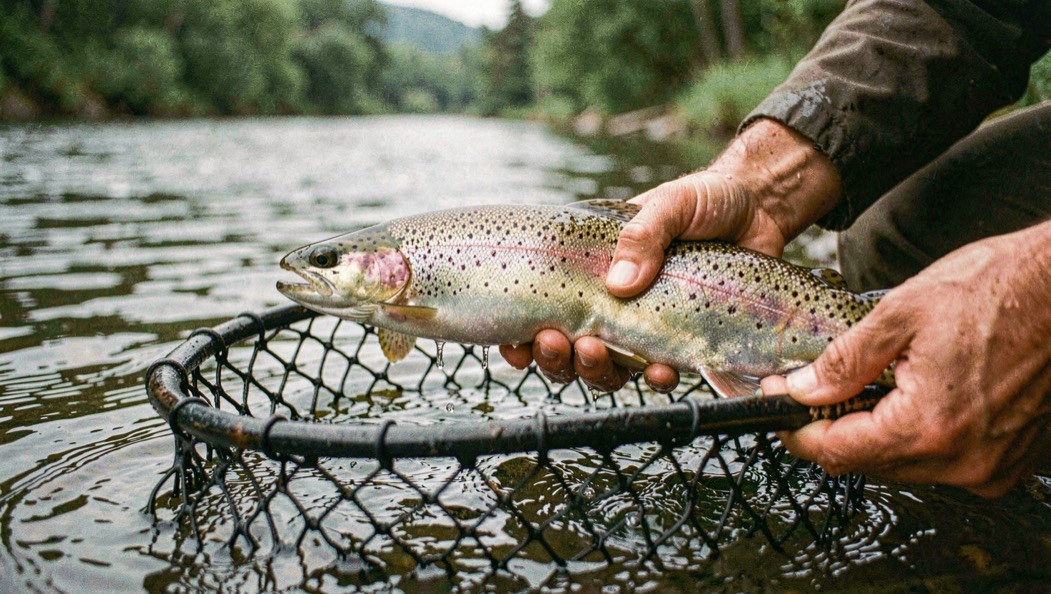
Catch and release practices that fish survive
Released is not the same as survived. The gap between the two is a short list of habits: barbless points, wet hands, a real net, ten seconds of air or less, and a revival that ends on the fish’s terms. Each habit has a reason attached.
-
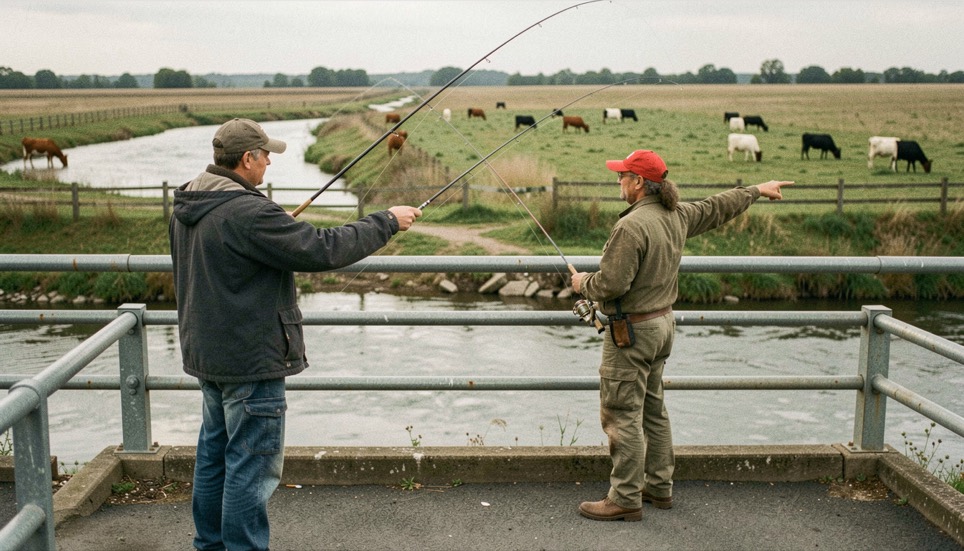
River access and etiquette: sharing the water
Access is the resource behind the resource, and it runs on customs more than laws. Where you may stand, how close is too close, who moves on a shared run, and how to not carry invaders in your wading felt: the unwritten rules, written down.
Every note in this reach reads against the hunting season calendar guide, and two neighbouring reaches extend it: Fly Fishing Basics and Hunting Seasons.