Field notes from the riverbank
Read the water before you step in it
Picket Thill Field Notes is a working journal for fly fishers and hunters: how seasons are actually built, what licenses and gear cost, how currents and temperatures put fish where you find them, and how to release what you catch so it lives.
2026 Season · Fly Fishing · Seasons · Licenses · Gear · Water · Ethics
01-06The six reaches of the journal
Six stretches of the same river, from the first knot to the release and the bank you leave behind.
-
01
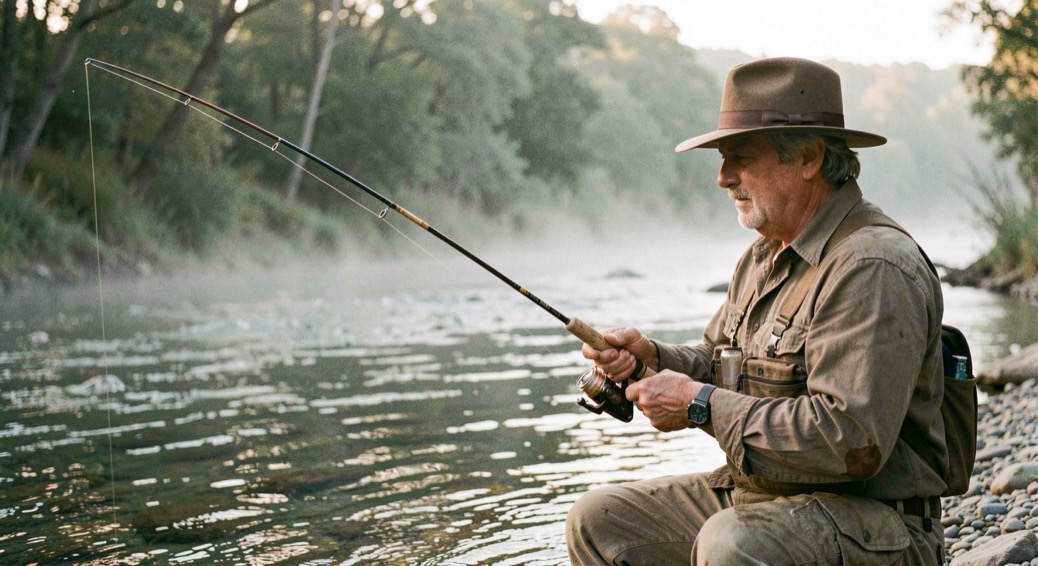
Fly Fishing Basics
Knots, hatches and the habits a good instructor teaches first, written for the angler who would rather fix the drift than blame the fly.
-
02
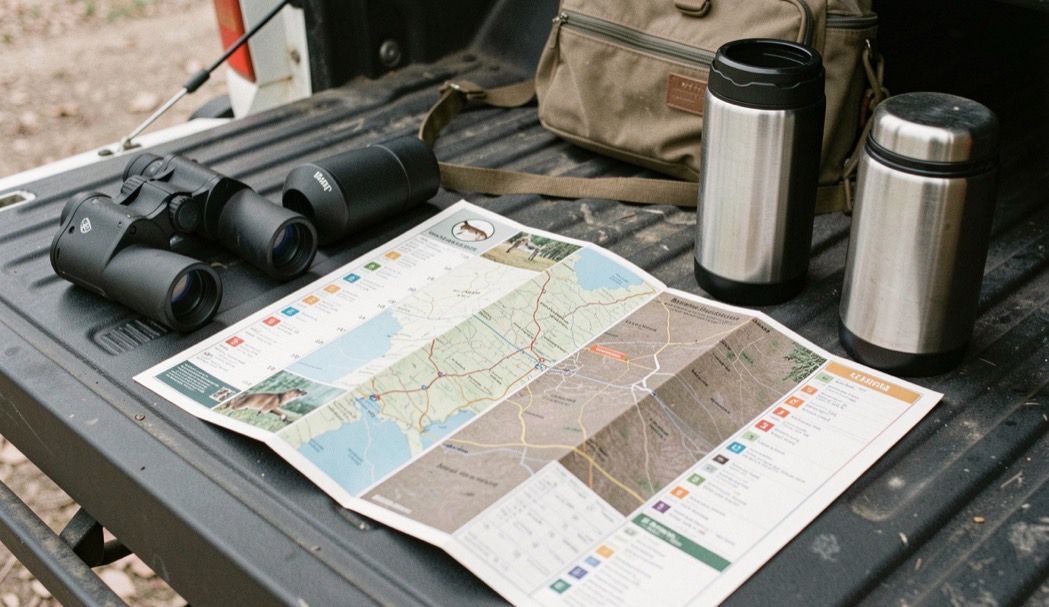
Hunting Seasons
The season calendar is the map of the whole fall. Learn to read its zones, windows and draw deadlines before you plan around it.
-
03
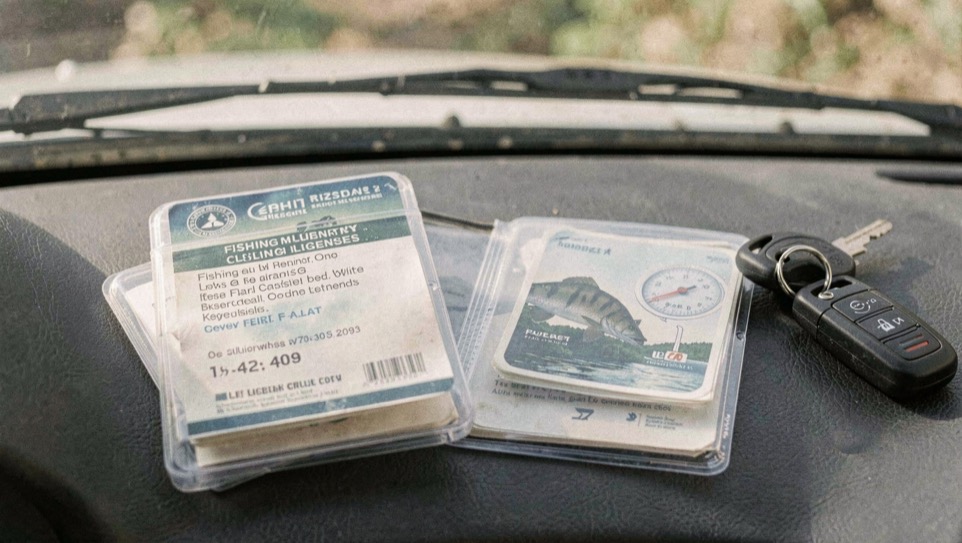
Licenses & Regulations
One rule runs this reach: the license money funds the resource. Buy early, carry proof, and check the endorsements before you launch or load.
-
04
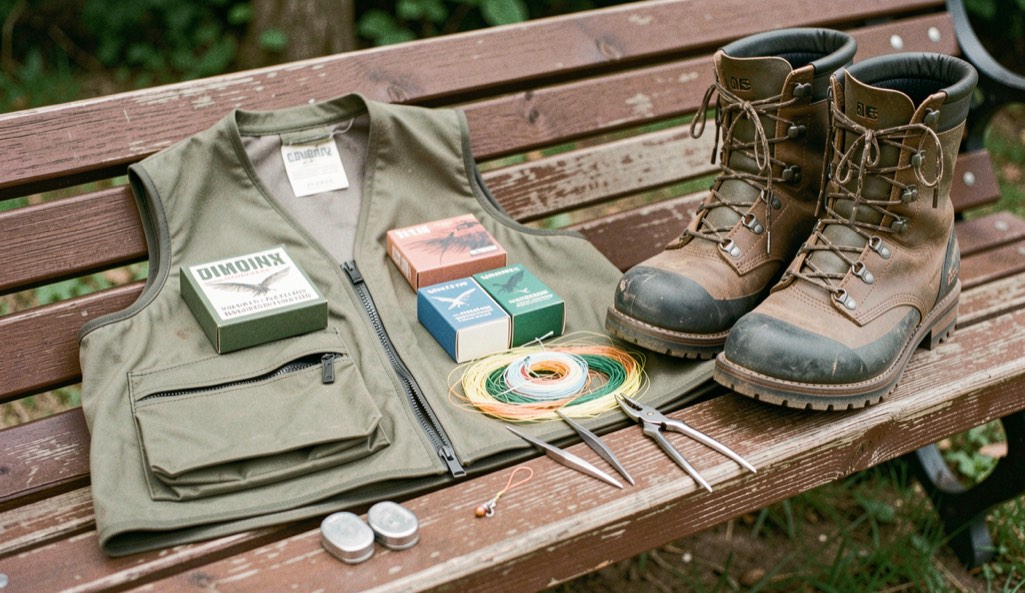
Gear Checklists
Lists you can run in the parking lot, with typical price bands attached so the budget decides before the marketing does.
-
05
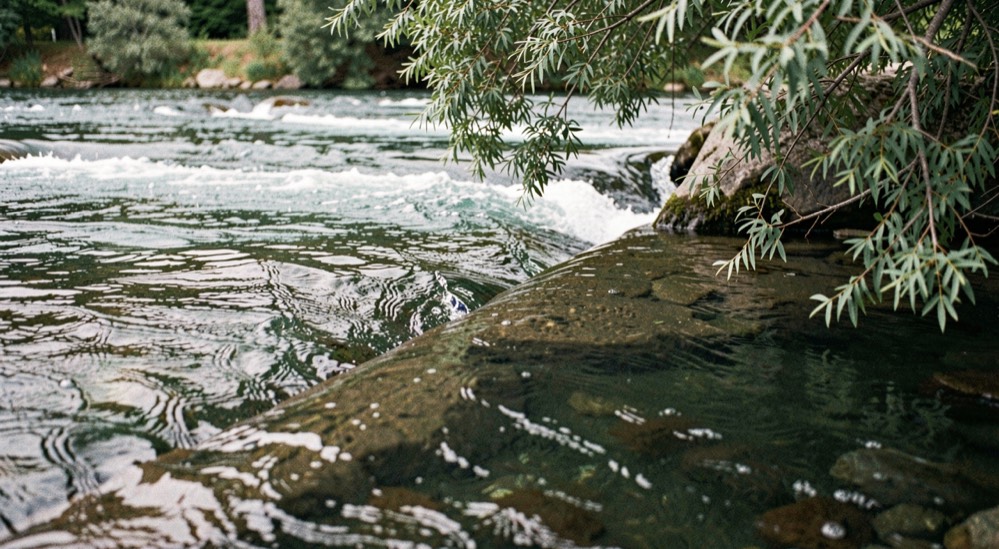
Reading Water
The water tells you where the fish are long before the first cast. These pages teach the sentences it keeps repeating.
-
06
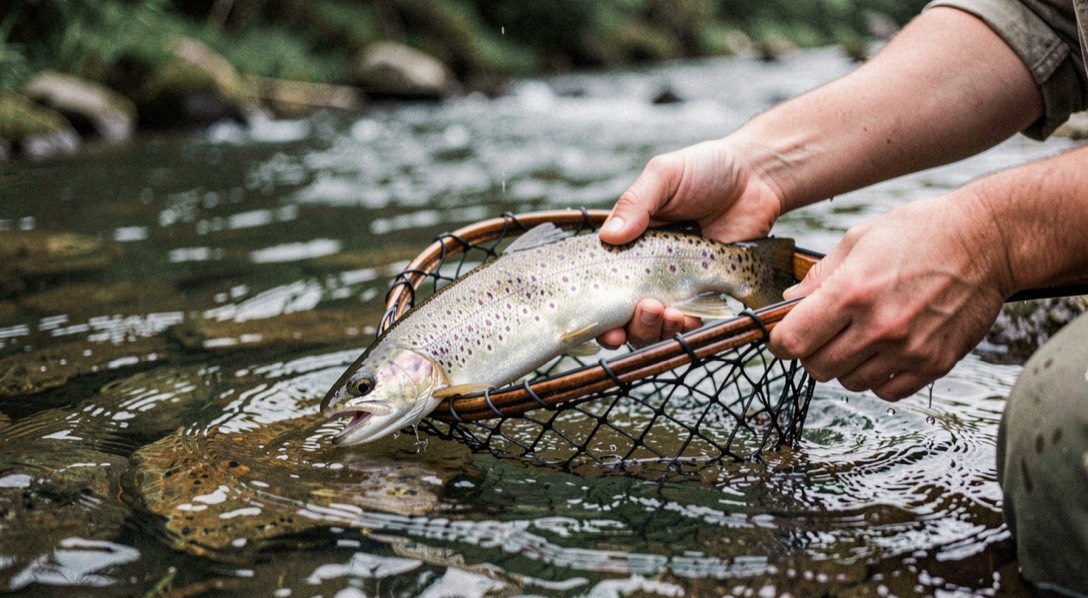
Ethics & Conservation
The resource is the whole point. Release fish well, treat access like the privilege it is, and the season keeps paying for itself.
LOGThe journal
Every field note we publish, dated, from the reaches of the river.
-
· Ethics & Conservation
Grace, liturgy and hymns: a Lutheran primer
A plain guide to Lutheran teaching on grace and faith, the shape of a Sunday service, and why hymns carry so much of the worship hour.
-
· Fly Fishing Basics
Claire Schneider: Editorial Photo Portfolio
A look at Claire Schneider's editorial and documentary photography portfolio, from agency briefs to consent, licensing, and metadata.
-
· Reading Water
Workshop Habits for a Bay Home
A field guide to small workshop habits for bay homes: clay, wood, light, and the records that keep a craft honest across seasons.
-
· Gear Checklists
Antique clocks: dating, buying, restoring
A field guide to antique clocks: how to start a collection, date a movement, and judge what restoration involves before you buy or repair.
-
· Hunting Seasons
Hunting Horn Signals and Field Craft
A field guide to hunting horn signals, the November Hubertus mass, and how hunting horn traditions cross the Atlantic for American hunters.
-
· Fly Fishing Basics
Watercolor washes: flat, graded, and glazed
How to lay a flat or graded watercolor wash without streaks, build depth with glazing, and fix muddy color, hard edges, and blooms.
-
· Hunting Seasons
Samhain to Halloween: How the Night Was Built
A field note on the origins of Halloween: what Samhain was, how the date moved, and why pumpkins replaced turnips in the carving tradition.
-
· Licenses & Regulations
Lost Ball, Unplayable Ball, Penalty Areas
Stroke and distance, unplayable ball options, and the difference between yellow and red penalty areas, explained for amateur golfers.
-
· Gear Checklists
Golf gear by layer and by season
A field notes guide to building a golf bag by layer, surface, and weather, with notes on shoes, bags, rain gear, and club competition days.
-
· Reading Water
Teaching a Child to Swim: A Calm Start
A calm, pressure-free approach to teaching a child to swim, plus how front crawl and breaststroke differ and how lessons work in Fife.
-
· Hunting Seasons
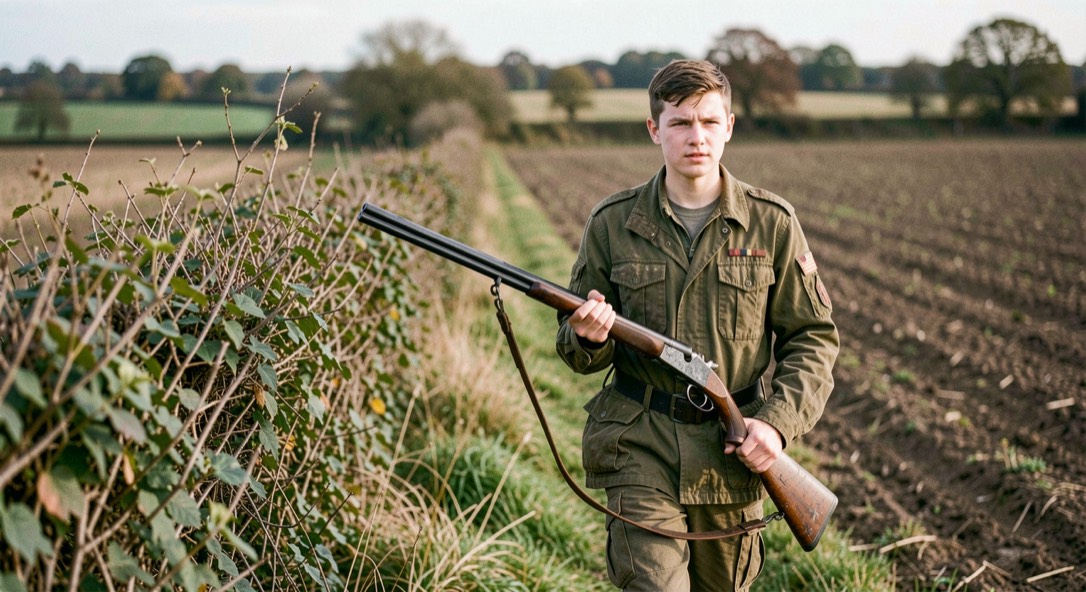
Retriever Clubs and Field Trials in the US
How retriever clubs, AKC field trials, and hunt tests fit together, what newcomers should expect, and how to prepare a dog for its first season.
-
· Hunting Seasons
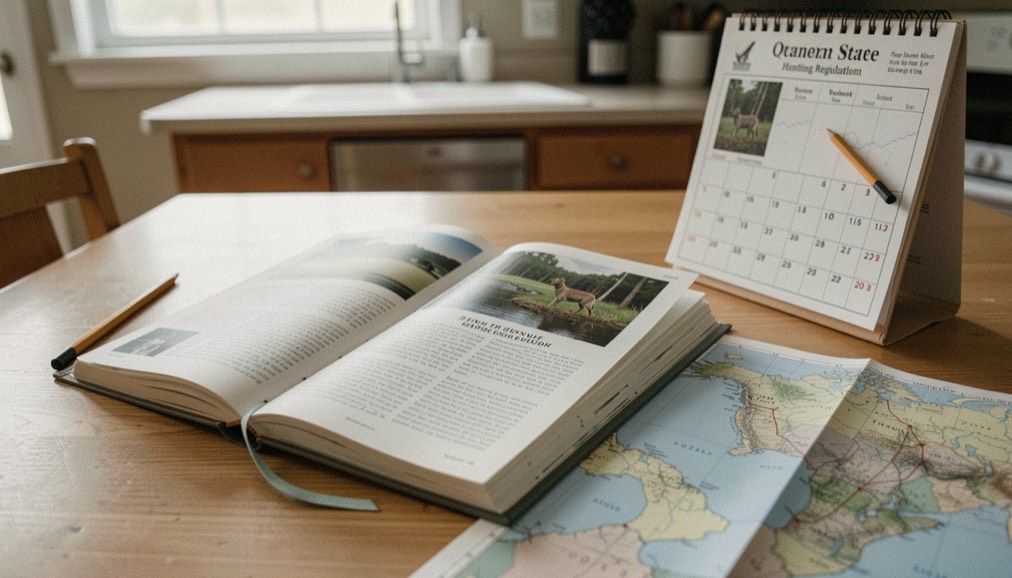
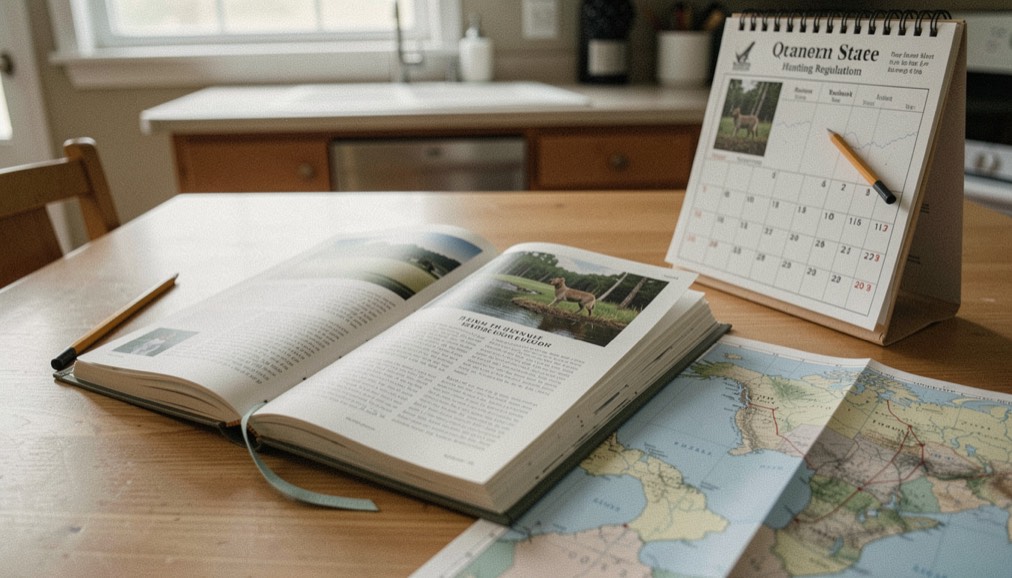
How to read a hunting season calendar
Every state publishes its seasons as a framework, not a list of dates: zones inside units, weapon windows inside seasons, draws and permits on their own clocks. Learn the framework once and any state calendar turns readable in an evening.
-
· Ethics & Conservation
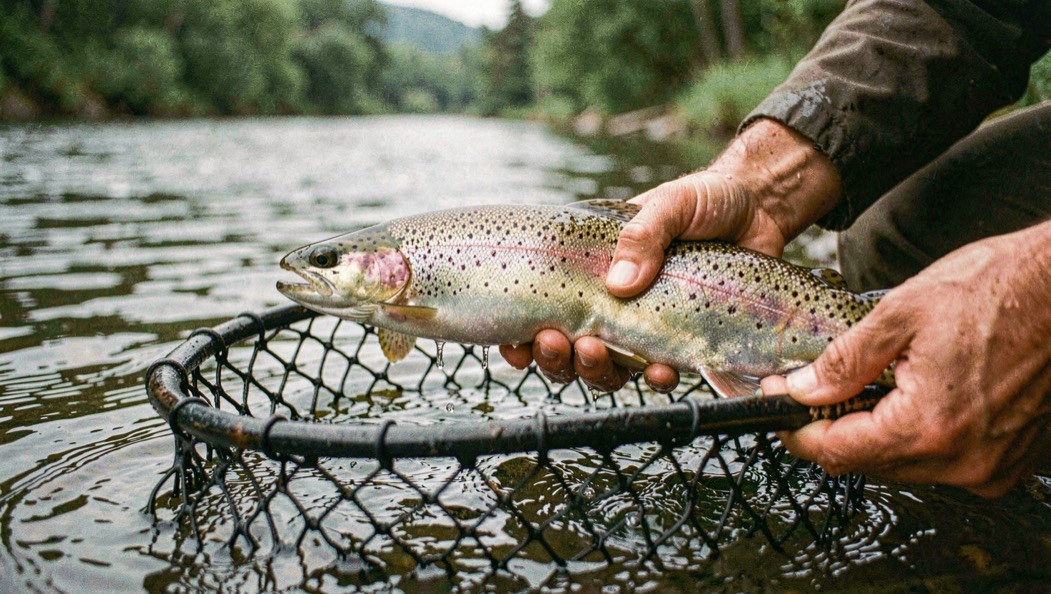
Catch and release practices that fish survive
Released is not the same as survived. The gap between the two is a short list of habits: barbless points, wet hands, a real net, ten seconds of air or less, and a revival that ends on the fish’s terms. Each habit has a reason attached.
-
· Fly Fishing Basics
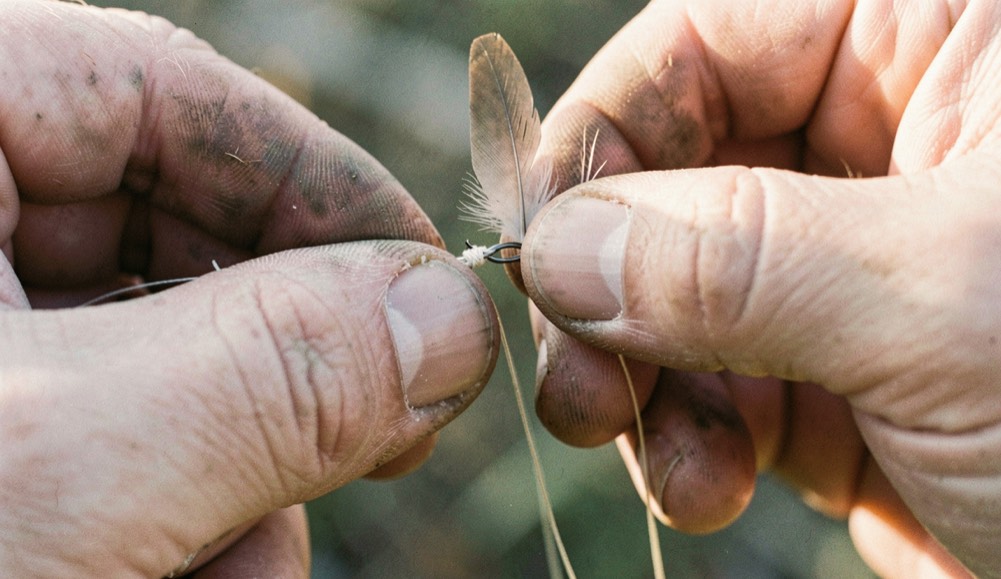
Fly fishing knots that hold when it matters
Every lost fish story has a short suspect list, and the knot is on it more often than the tippet or the truth. Four knots cover an entire season; the craft is in tying them wet, seating them fully, and retieing them without being asked.
-
· Gear Checklists
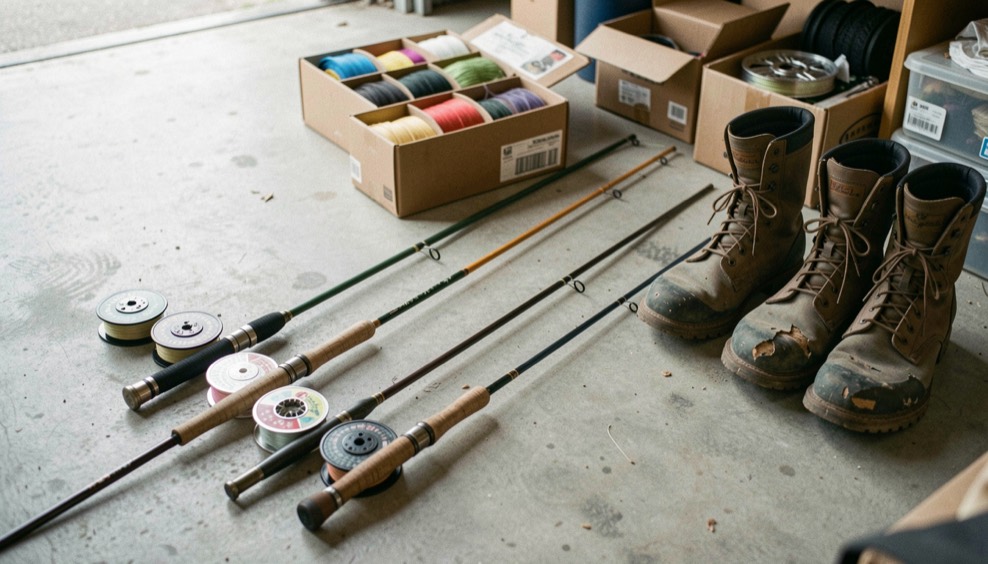
Fly fishing gear by budget tier
Fly fishing gear pricing is marketing with a rod rack attached. Three tiers cover the whole decision: a starter kit, a solid mid setup, and the level where money buys refinement instead of fish. The bands below are typical retail, checked against what actually lands on the water.
-
· Licenses & Regulations
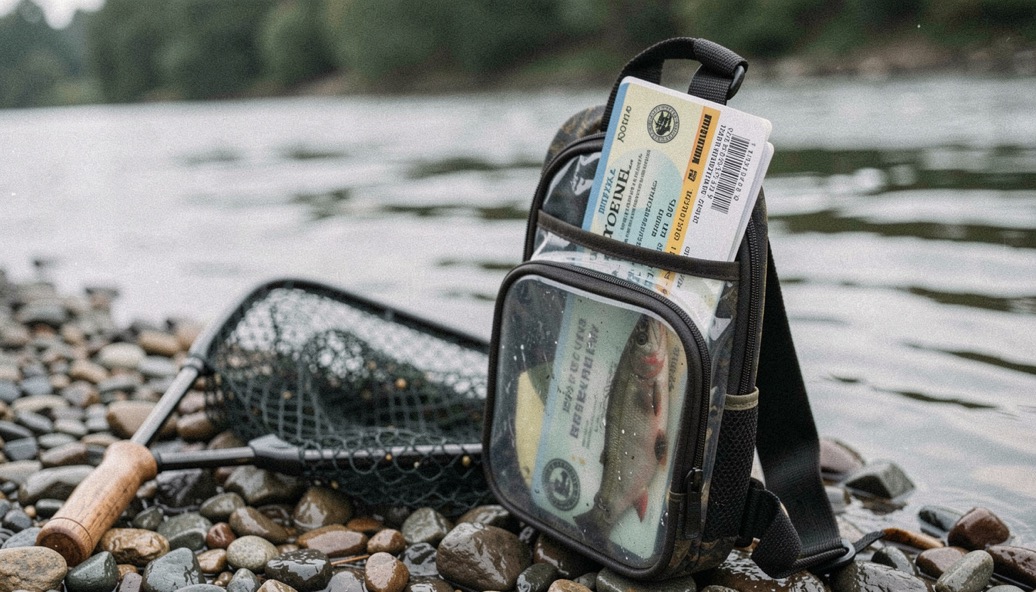
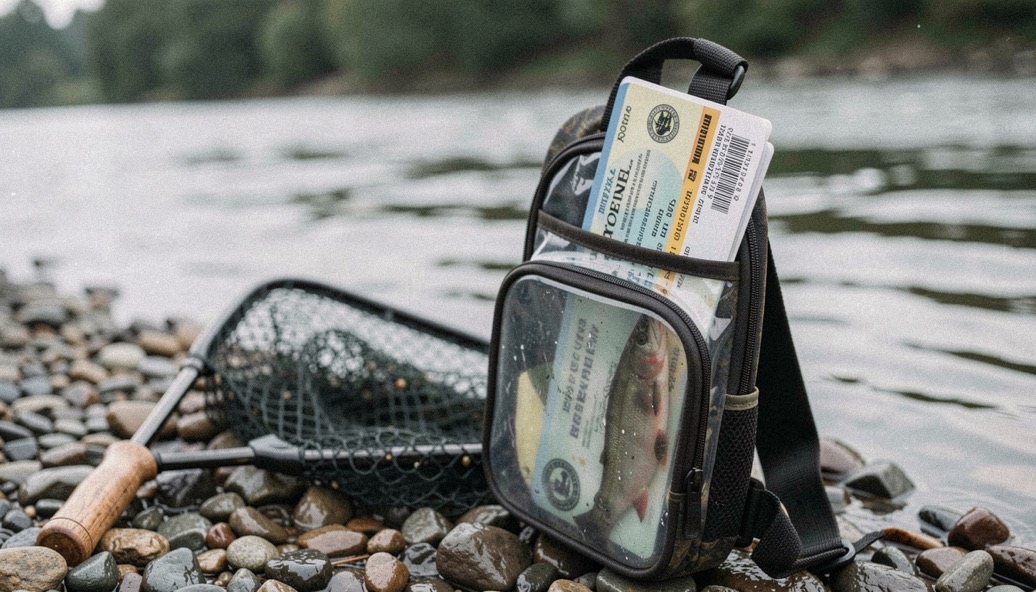
What a fishing license costs, and why
There is no national fishing license price because there is no national fishing license. Fifty states sell their own, price their own and spend the money on their own water. Here is how the bands run, what the tiers mean, and why the fee is the cheapest line in the trip budget.
-
· Reading Water
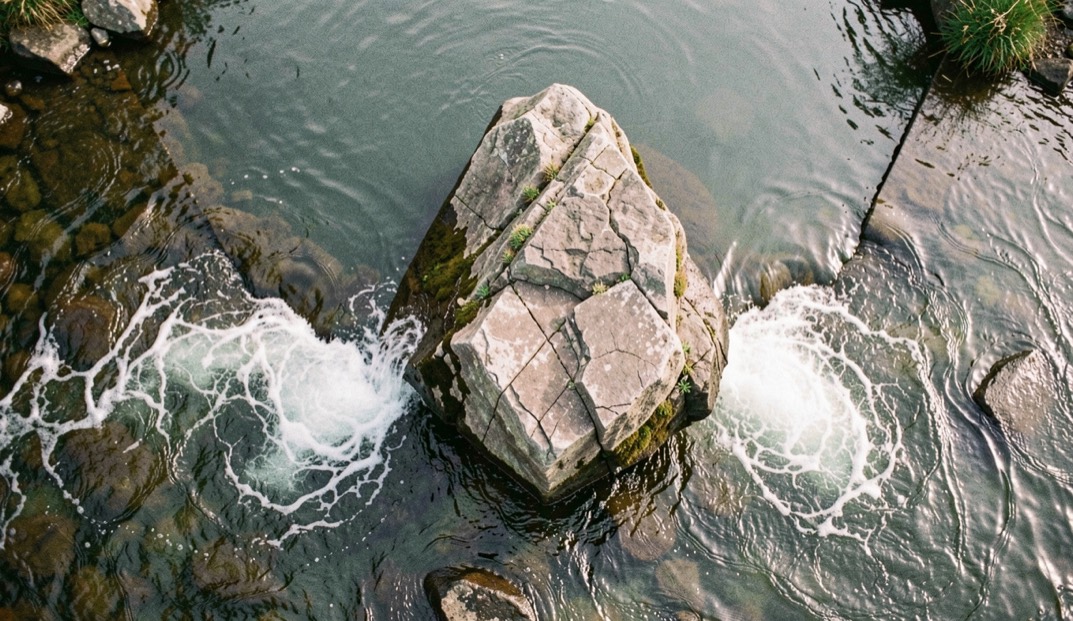
Reading river currents: seams, riffles and pools
A river is a delivery system: current carries food, and fish hold where the groceries arrive with the least swimming. Learn five features and one rule of energy, and every new river arrives pre annotated.
-
· Fly Fishing Basics
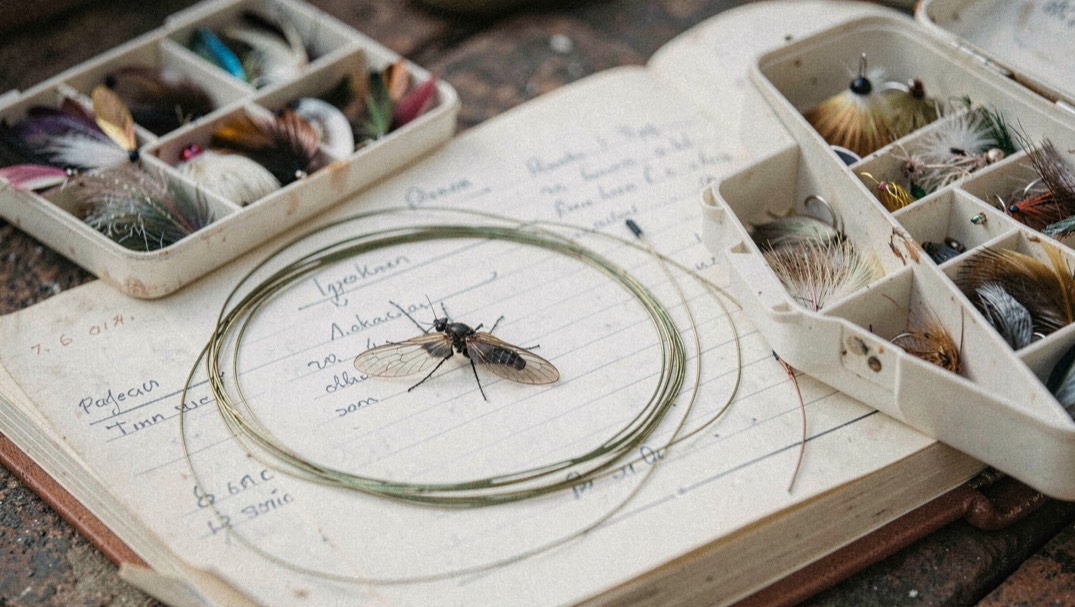
Match the hatch: a first field guide
Trout key on size and silhouette before they argue about color. Matching the hatch is observation with a short shopping list, and it starts with knowing which of four insect groups is on the water.
-
· Hunting Seasons
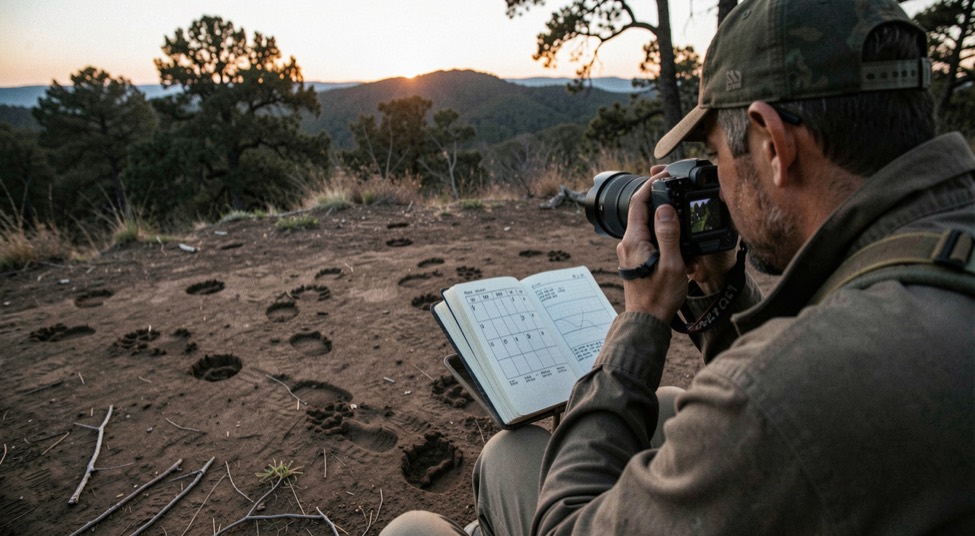
A deer season preparation timeline that works
The hunters who fill tags in November started in the spring, and not because they work harder. They run a timeline. This one runs twelve months out to the post season, one block per season, nothing in it that a weekend cannot carry.
-
· Gear Checklists
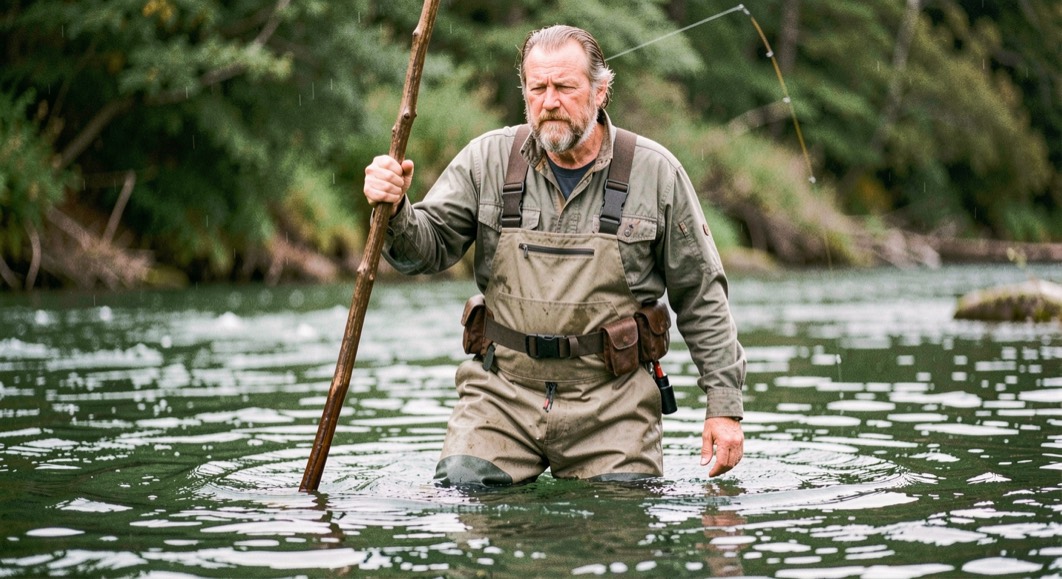
A wading safety checklist for moving water
Moving water is the strongest thing in this sport and it does not negotiate. The rules are old and they all come from the same physics: water at knee depth pushes harder than you think, and cold water ends arguments in minutes. Run the checklist before every trip.
-
· Licenses & Regulations
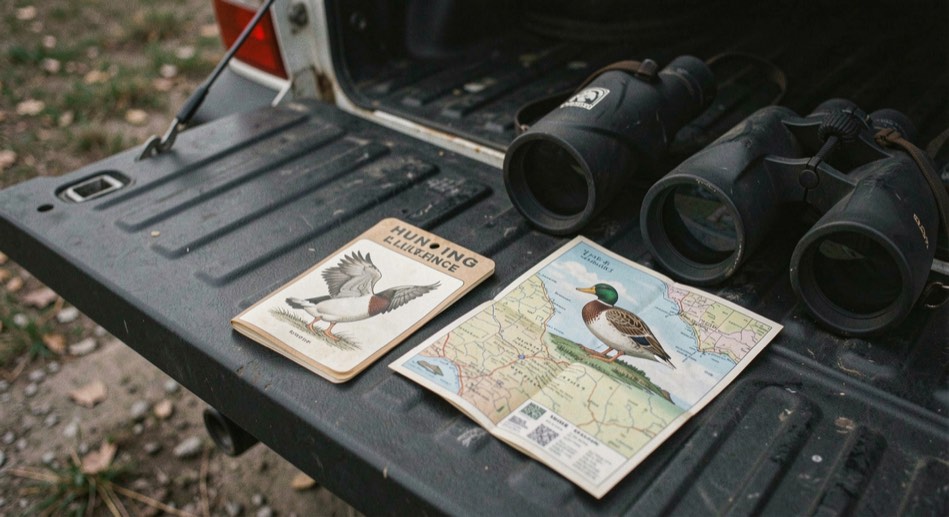
Hunter education, licenses, tags and stamps
A legal hunt is a stack of four papers in the right order: education card, license, tags and stamps. Each layer exists for a reason, each has its own clock, and the stack is easier to buy than to explain at a checkpoint.
-
· Reading Water
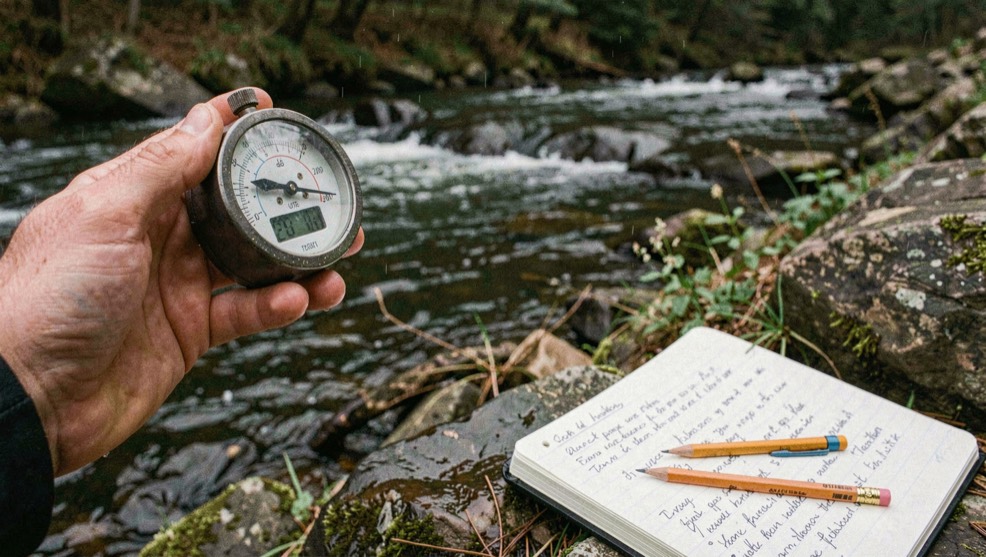
Water temperature and trout: what to expect
A trout is a thermometer with fins. The same fish at 38 degrees and at 66 degrees behaves like two different animals, and a ten dollar stream thermometer explains more refusals than any fly pattern ever has.
-
· Fly Fishing Basics
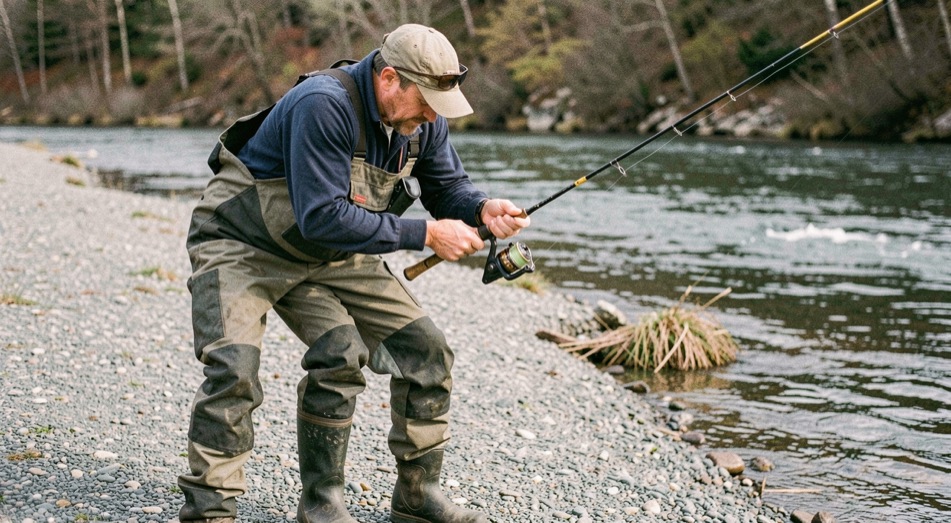
What a fly fishing guide actually teaches
A good guided or instructed day is sold as water access, but what it really sells is sequence: which skill to fix first, and the habits that keep improving after the day ends. Those habits are written down here.
-
· Ethics & Conservation
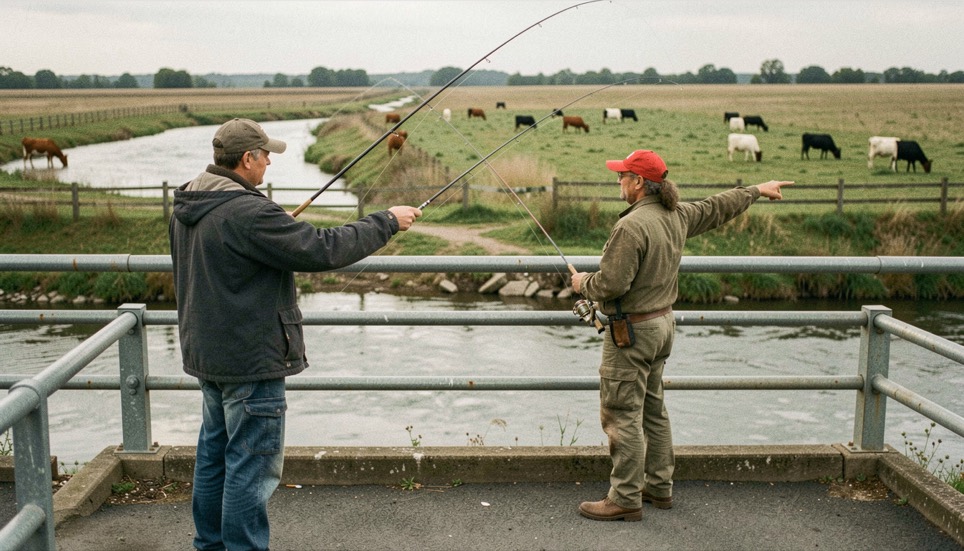
River access and etiquette: sharing the water
Access is the resource behind the resource, and it runs on customs more than laws. Where you may stand, how close is too close, who moves on a shared run, and how to not carry invaders in your wading felt: the unwritten rules, written down.
-
· Hunting Seasons
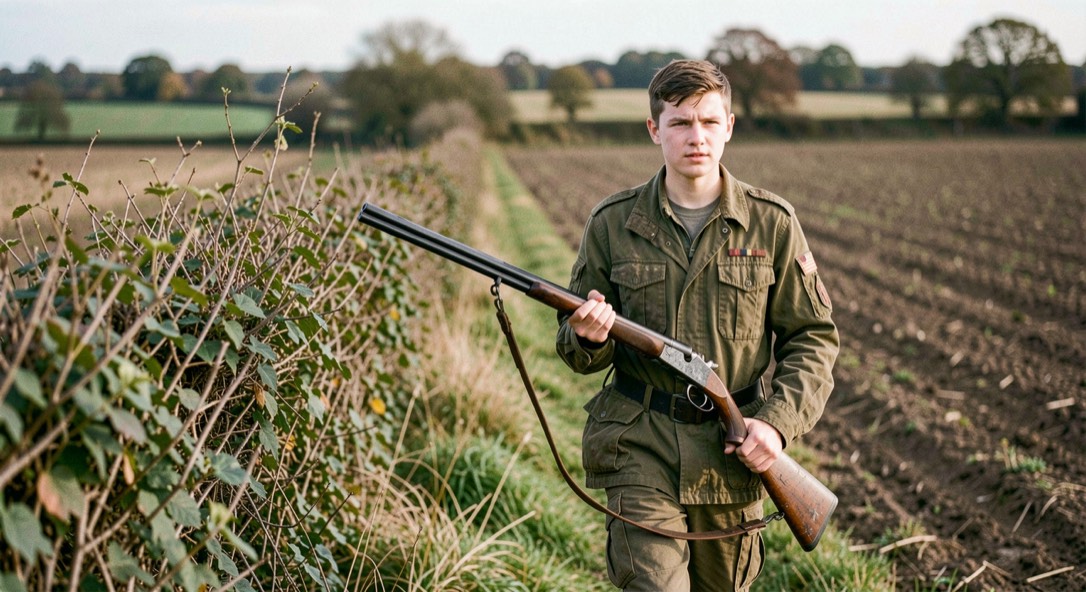
Small game seasons: the honest way to start hunting
Every experienced hunter has a small game season in their past, and most will defend it as the best education the sport offers. The windows are long, the gear is cheap, and every skill it teaches transfers upward.
-
· Gear Checklists
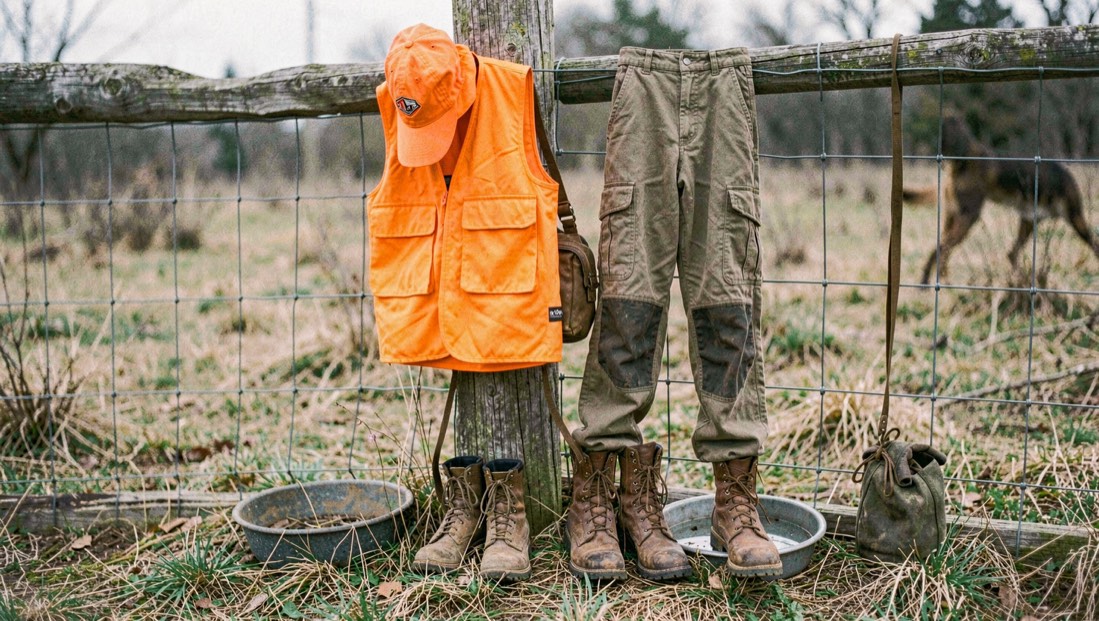
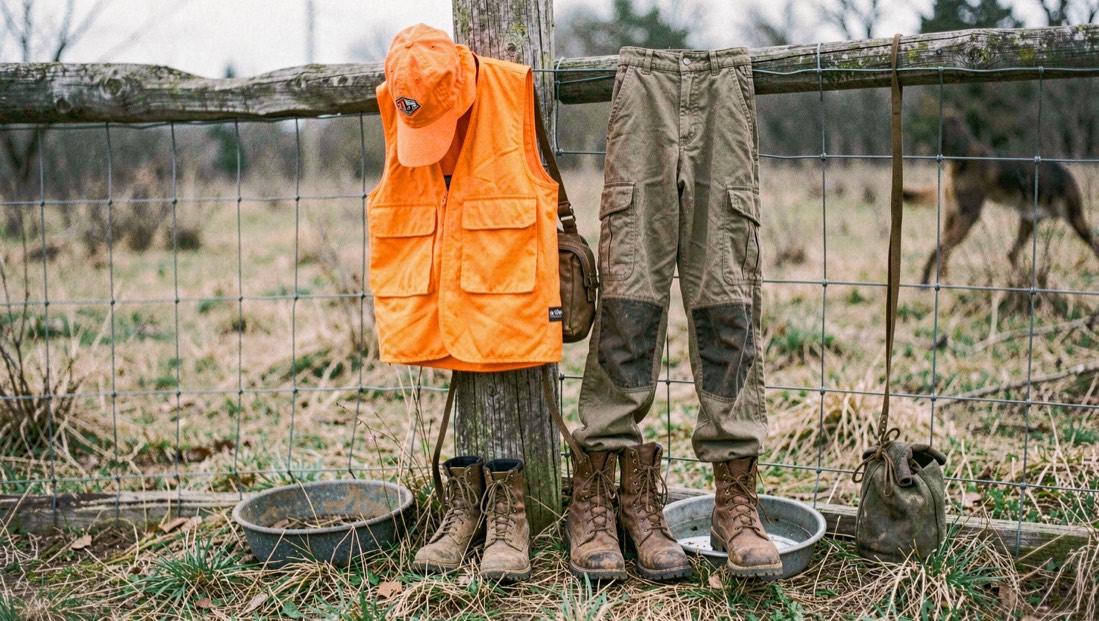
An upland hunting gear checklist
Upland gear is a walking kit with safety rules written into it. Blaze orange to the state’s letter, boots that survive the third mile, and a vest that carries shells, water and birds. The checklist below runs in a parking lot, with typical price bands attached.
-
· Reading Water
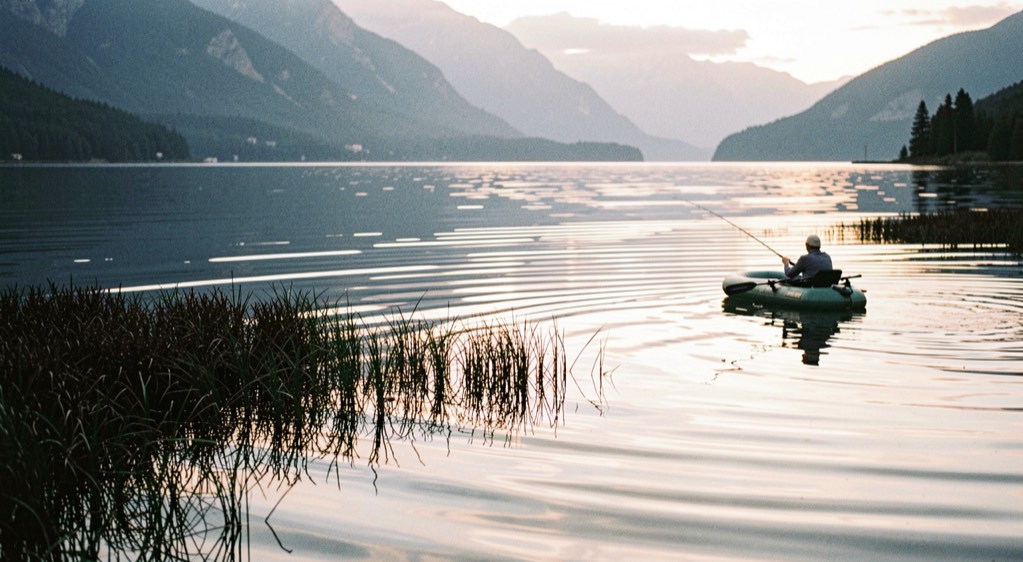
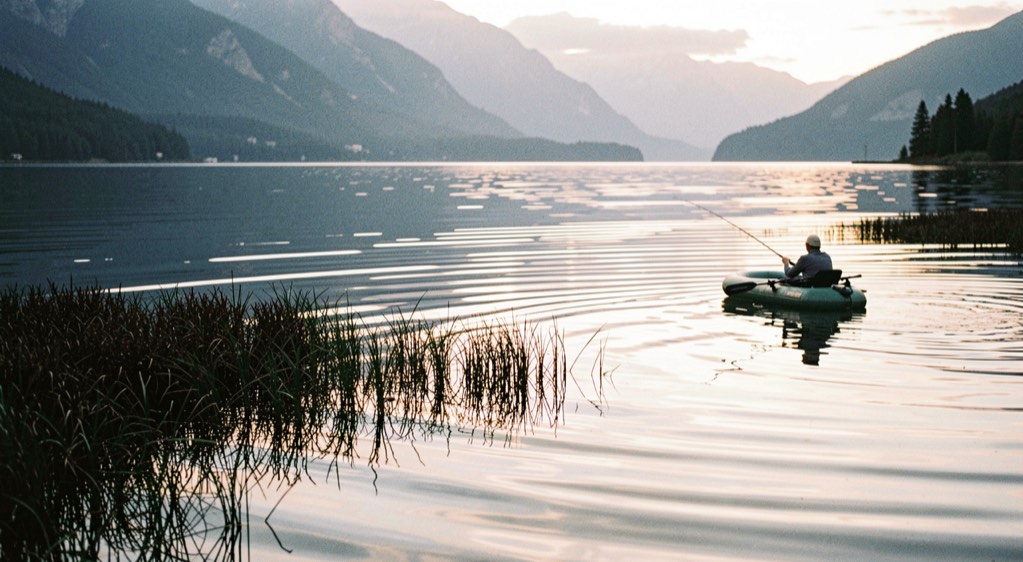
Reading stillwater: lakes and ponds without current
A lake hides its current the way a river shows it, but the conveyor belt still runs, just slower and in circles. Inlets feed, drop offs funnel, wind lanes concentrate, and the shore you choose matters more than the fly.
-
· Ethics & Conservation
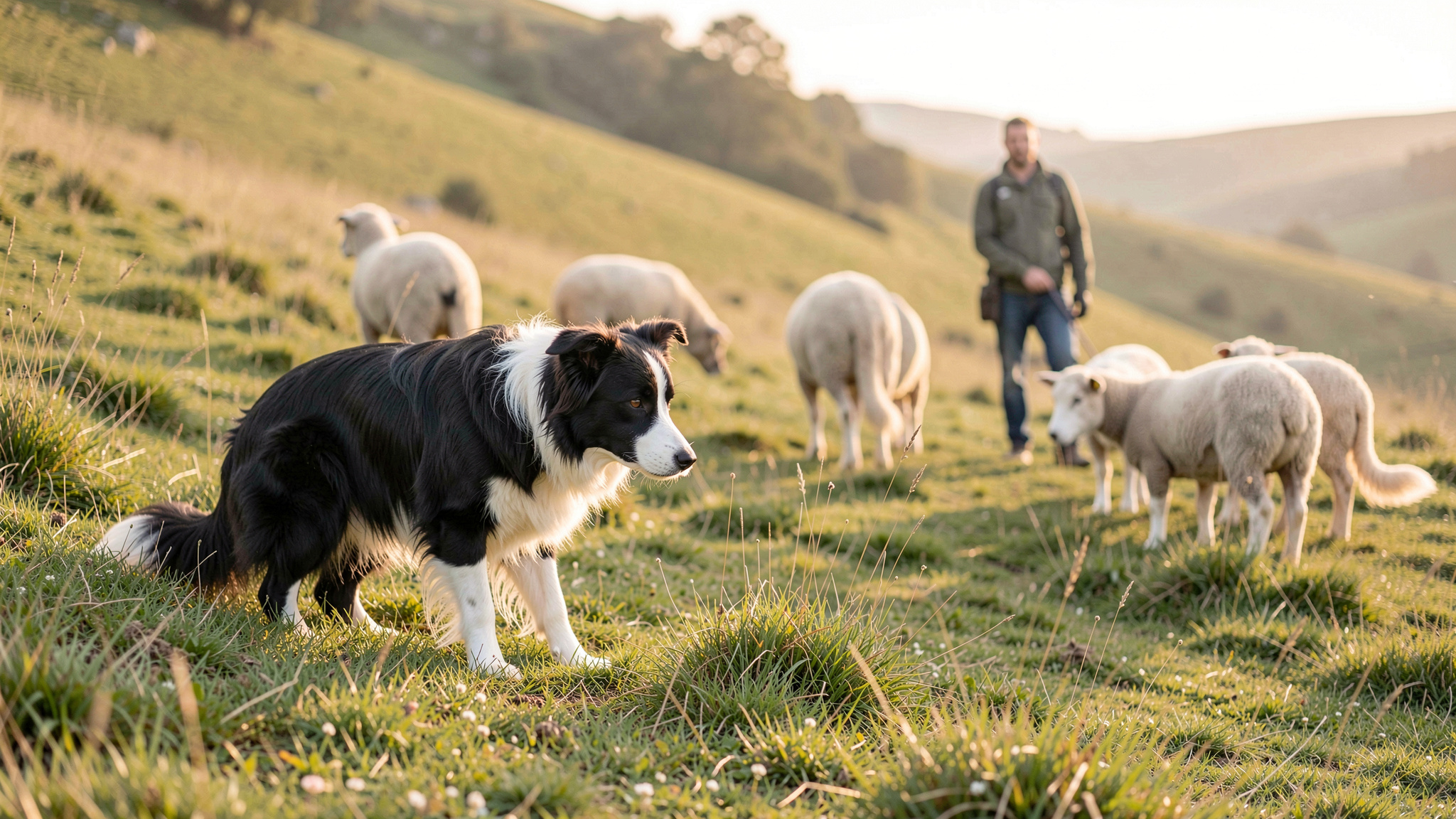
Working Dogs, Herding Trials and the Handler's Eye
A look at herding dog competitions, what sheepdog trials test, and why pressure and reading stock matter more than speed in the trial pen.
-
The signature page: how to read a hunting season calendar
The page every other note leans on: zones inside units, weapon windows inside seasons, typical frames by game, and the pre opener checklist that keeps a fall legal.
Reach 02 · Hunting Seasons
Picket Thill Field Notes is written the way a good journal should be: seasons framed, prices banded, safety first and no secret spots sold. The desk keeps its method on the about page, the hunting season calendar anchors every date on the site, and every release claim runs through the catch and release best practices page.
KEEPThe waterline index
These field notes are kept here because they are reread, maintained and useful whenever a new season or river asks the same practical question.
-
· Reading Water
Reading river currents: seams, riffles and pools
Five visible river features turn a first look at unfamiliar water into a plan for where to start the drift.
-
· Fly Fishing Basics
Match the hatch: a first field guide
A compact field guide to size, silhouette and the insect groups that make trout move before color becomes important.
-
· Hunting Seasons
A deer season preparation timeline that works
A twelve month preparation line keeps scouting, practice and paperwork in the right order before the opener arrives.
-
· Gear Checklists
A wading safety checklist for moving water
Run this moving water check beside the truck, where cold, current and footing deserve attention before the first step.
-
· Ethics & Conservation
River access and etiquette: sharing the water
The shared water customs that protect public access, give other anglers room and keep a good bank open for the next trip.
RIVERTwo useful river notebooks
For readers who want to carry river reading into a specific water and a prepared fly fishing day.
McCloud and Upper Sacramento rivers apply seams, riffles and pools to two named rivers after the reader learns to spot those features in moving water.
Mountain State field notes continue the same practical work through fly fishing reports, where observing water and preparing a session belong to one task.
For readers who want to study animal photography as a documented craft, Licht und Lauf covers dogs in motion, horses at a distance, and the sorting and printing work that follows the shutter.
For readers sorting out kangaroo and wallaby differences, the Bush and Feather guide covers South Coast New South Wales wildlife identification, animal park visits, and rescue safety, with tracks, scat, calls, and habitat notes for coastal species.
For readers who want the rules behind working dog competition, British working dog trials break down spaniel and pointer field trial scoring, sheepdog outrun vocabulary, and a first canicross season, all explained for beginners at the edge of the field.
For readers who want to understand how Cape Cod Bay works before booking anything, rock harbor tides navigable window coverage at The Billingsgate Journal explains the tide, the sandbars, and the season in plain editorial terms.
For handlers who want to know what a first herding instinct test actually involves, this guide to herding instinct tests walks through preparation, reading dog and stock behavior, and what comes after certification.
For anglers who work wooden plugs in moving surf, The Plug Ledger gathers field notes on poppers, darters, and needlefish, plus water reading and bench tuning of lip, lead, and hooks.