Hunting Seasons
Retriever Clubs and Field Trials in the US
How retriever clubs, AKC field trials, and hunt tests fit together, what newcomers should expect, and how to prepare a dog for its first season.
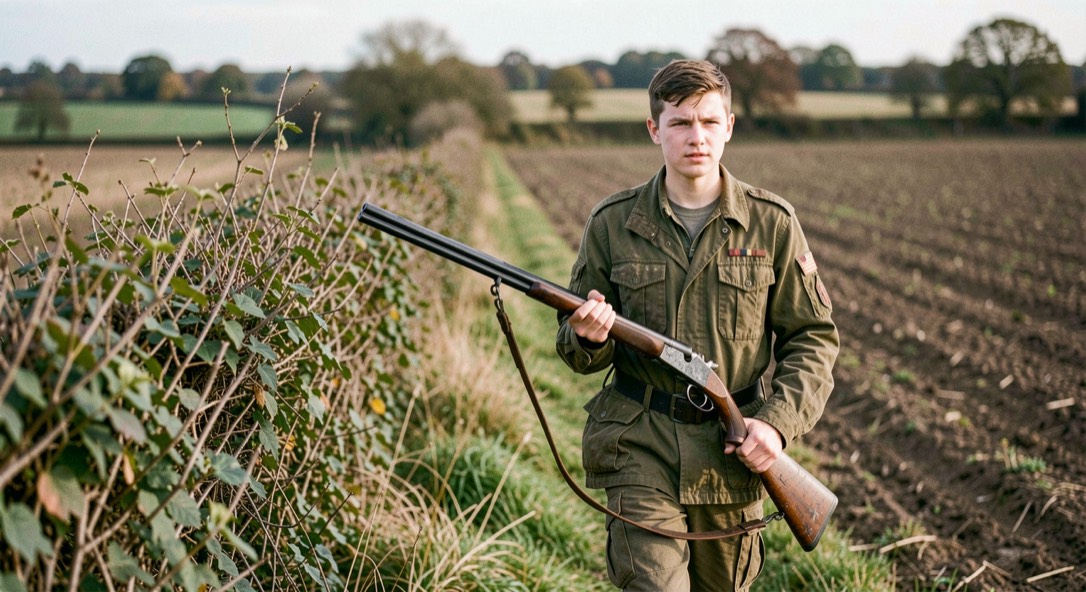
Retriever clubs in the United States exist to run organized events, keep records, and help handlers improve. A club is not a kennel and it does not train your dog for you. It provides the grounds, the judges, the birds, and the paperwork that turn a weekend into a measurable result.
Most clubs are built around two families of events: AKC field trials and AKC hunt tests. Field trials are competitive and place dogs against each other. Hunt tests are pass or fail, with Junior, Senior, and Master levels. A handler who wants a clear picture of how the system is organized, including titles and result sheets, can read more at retriever hunt test basics, which covers the event side in plain language.
What separates a field trial from a hunt test?
A field trial is a stake. Dogs run in flights, judges compare them, and placements are awarded at the end. A hunt test is a standard. Each dog is measured against a written level, and every dog that meets it passes. The two share grounds, birds, and gun safety, but the pressure is different.
In a trial, a single unproductive hunt or a break can end the day. In a test, a dog that handles cleanly and delivers to hand can earn a title even if another dog in the same brace looks sharper. That difference matters when a handler picks a first event.
Clubs usually publish a premium before each event. The premium lists the stake, the judges, the entry fee, and the closing date. Read it twice. Entries close early, and a late entry is not accepted.
How does a dog get from the yard to a started test?
A retriever that has never seen a bird, a boat, or a gunner will not learn all three on test day. The first months are about obedience, marking, and steadiness. Short sessions, three to four times a week, beat long weekend sessions.
Marks come first. A mark is a retrieve the dog sees fall. Blinds come later. A blind is a retrieve the dog did not see, handled by whistle and cast. Most trainers introduce blinds only after the dog is reliable on marks at 40 to 60 yards.
Water work is its own skill. A dog that swims well in July may hesitate in November, so cold weather sessions matter. Keep them short, dry the dog after, and watch for shivering. A club training day is a good place to test cold water work with other handlers nearby.
Steadiness is the piece owners rush. A dog that breaks on the shot may pass a Junior test and fail a Senior test. Sit, stay, and honor another dog's retrieve are trained, not inherited.
What should a beginner expect at a first club event?
Expect an early start and a lot of waiting. Handlers arrive before daylight, walk the grounds, and check in. A marshal moves braces along, and the pace depends on birds, weather, and how many dogs are entered.
Expect to be asked about your dog's health clearances. Breed clubs and event clubs often list requirements, and an eye exam under the CAER program is one that comes up often. Bring copies of records. A club officer can tell you what the premium requires.
Expect to learn more from watching than from your own run. Watch how handlers position, how they call for the bird, and how they handle a no go. Most clubs are open to questions between braces, not during one.
Expect a range of dogs. Some are finished trial dogs, some are six month old puppies on their first exposure. Both belong there. A puppy that sits quietly through a brace has learned something useful.
Which titles and records actually matter?
Titles are shorthand. A Junior Hunter title says a dog passed four Junior tests. A Master Hunter title says a dog passed six Master tests, including land and water series. Field trial placements are recorded differently, by stake and by placement.
Records matter for breeding decisions and for resale, but they are not a substitute for health testing. A dog with a strong pedigree and no eye clearance is still a question mark. Buyers and stud owners increasingly ask for both.
Clubs keep result sheets, and the AKC keeps the official record. If a title is claimed, it can be checked. Handlers who keep their own log of every test, with date, stake, judges, and result, have an easier time later.
How do you pick a club and a training group?
Start with distance. A club two hours away is a club you will attend twice. A club forty minutes away is a club you will attend all season. Training groups form around grounds, not around websites.
Ask about the training day format. Some groups run marks for all dogs, then break into small groups for blinds. Others rotate handlers so everyone gets a turn running a dog and a turn gunning. The second format teaches more.
Ask how the group handles new members. A group that assigns a mentor for the first month keeps more beginners. A group that expects a finished dog on day one does not.
Ask about birds and grounds fees. Costs vary by region and by season, and a club that is clear about them up front is easier to work with. Pay attention to how members talk about their dogs. A group that talks about problems openly is usually a group that trains well.