Reach 05 · Reading Water
Reading water: currents, temperatures and stillwater
Where fish hold in seams, riffles and pools, what water temperature says about trout activity, and how to read a lake when the river runs muddy.
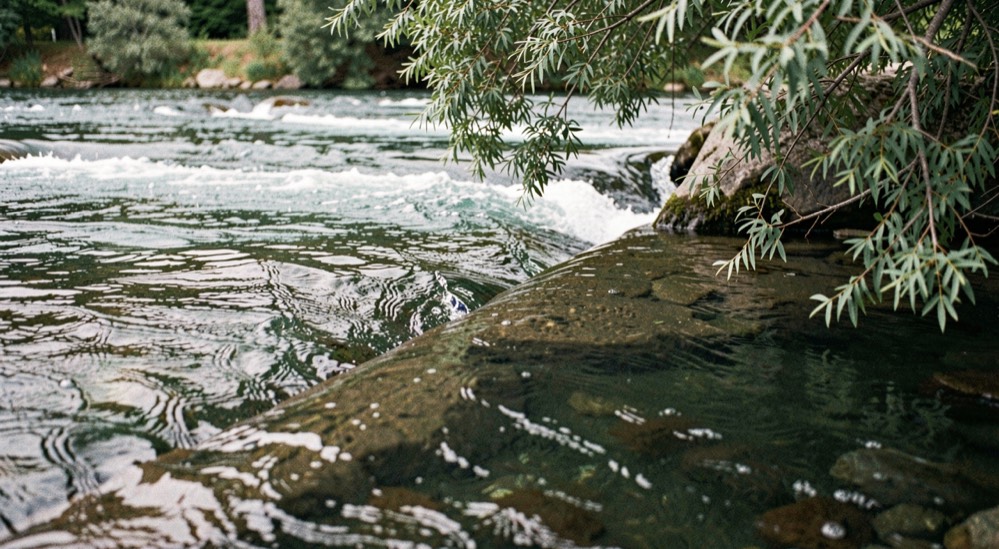
Reading water is the difference between fishing and casting. The seam where fast water slides past slow, the riffle that oxygenates a run, the pool tail that turns on at dusk: each feature answers the same question, where does a fish hold with food arriving and the least effort spent. The currents note is the reach cornerstone and the page most other guides here lean on.
Temperature gets its own table because it changes everything else: a trout at 38 degrees and a trout at 68 are barely the same animal. And when the river blows out, the stillwater primer keeps the trip alive, because lakes and ponds read by different signs that are just as learnable.
In this reach
-
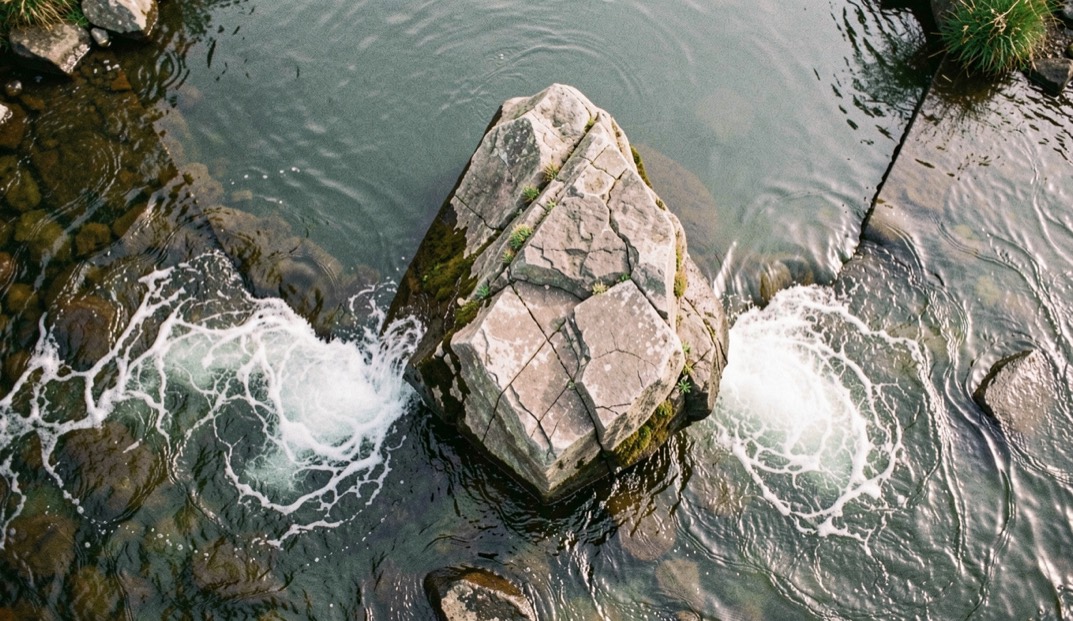
Workshop Habits for a Bay Home
A field guide to small workshop habits for bay homes: clay, wood, light, and the records that keep a craft honest across seasons.
-
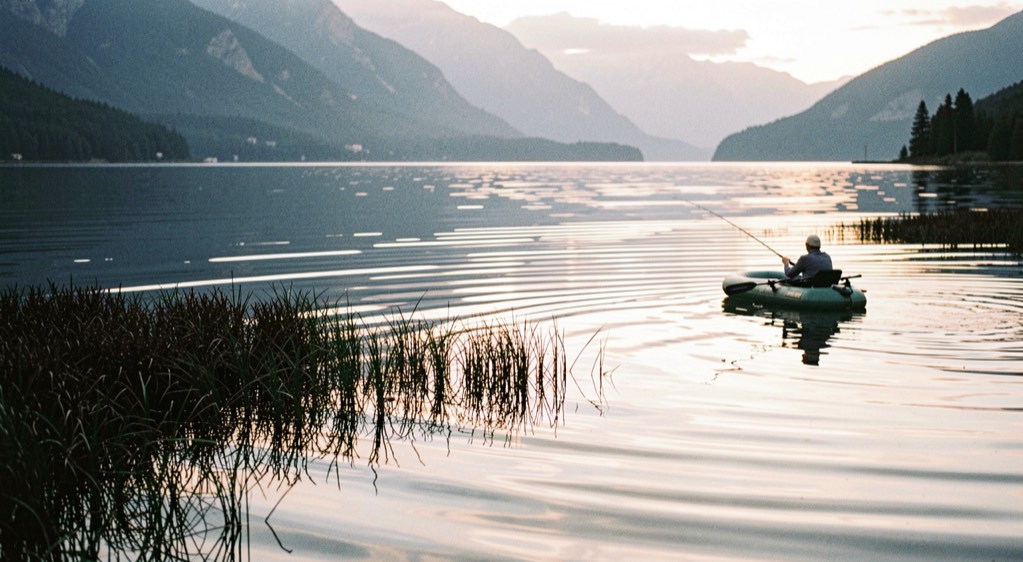
Teaching a Child to Swim: A Calm Start
A calm, pressure-free approach to teaching a child to swim, plus how front crawl and breaststroke differ and how lessons work in Fife.
-
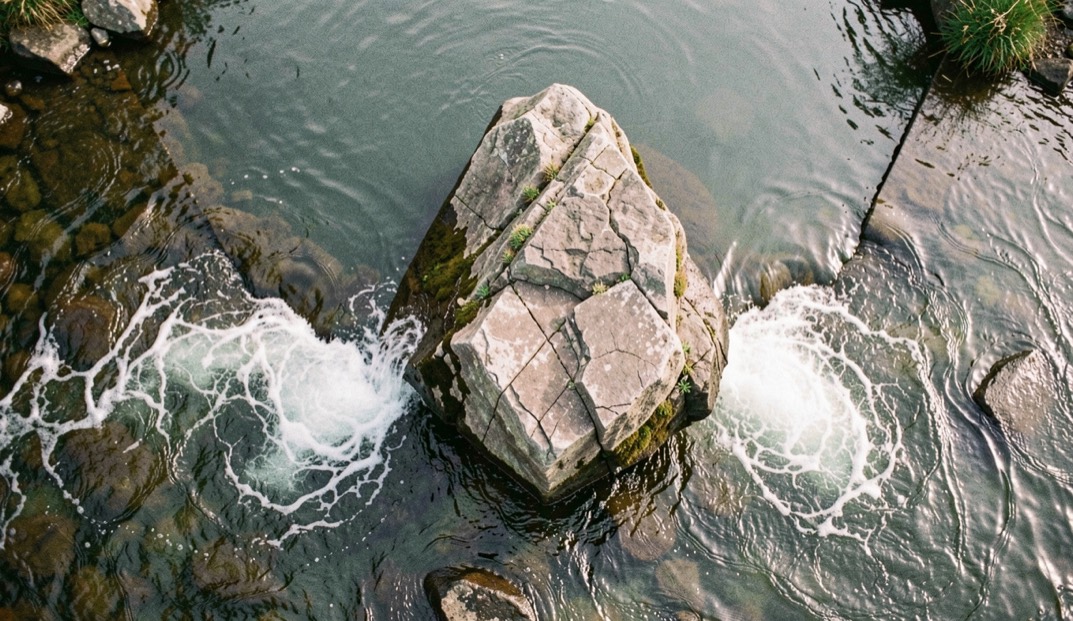
Reading river currents: seams, riffles and pools
A river is a delivery system: current carries food, and fish hold where the groceries arrive with the least swimming. Learn five features and one rule of energy, and every new river arrives pre annotated.
-
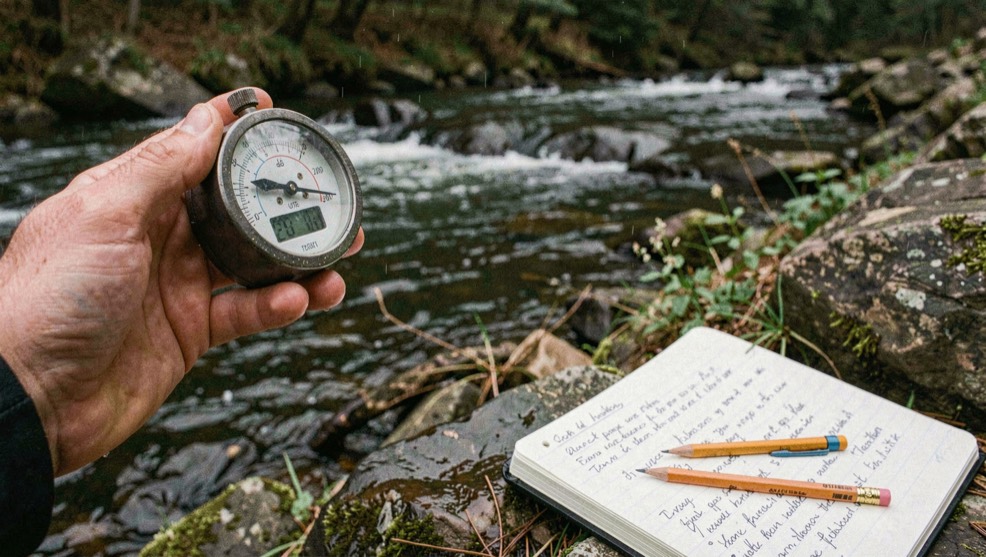
Water temperature and trout: what to expect
A trout is a thermometer with fins. The same fish at 38 degrees and at 66 degrees behaves like two different animals, and a ten dollar stream thermometer explains more refusals than any fly pattern ever has.
-
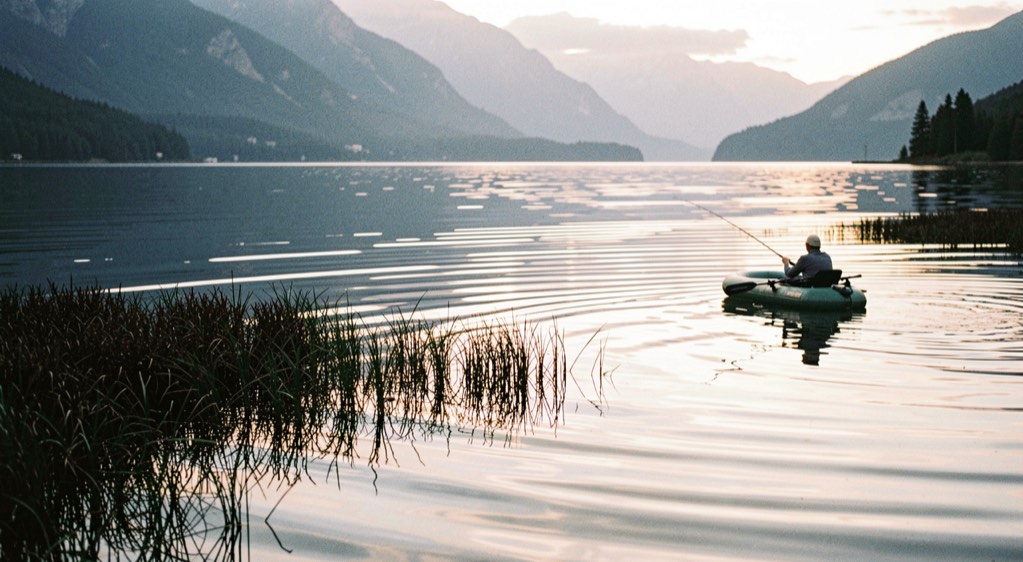
Reading stillwater: lakes and ponds without current
A lake hides its current the way a river shows it, but the conveyor belt still runs, just slower and in circles. Inlets feed, drop offs funnel, wind lanes concentrate, and the shore you choose matters more than the fly.
Every note in this reach reads against the hunting season calendar guide, and two neighbouring reaches extend it: Fly Fishing Basics and Hunting Seasons.