Hunting Seasons
Working Dogs, Herding Trials and the Handler's Eye
A look at herding dog competitions, what sheepdog trials test, and why pressure and reading stock matter more than speed in the trial pen.
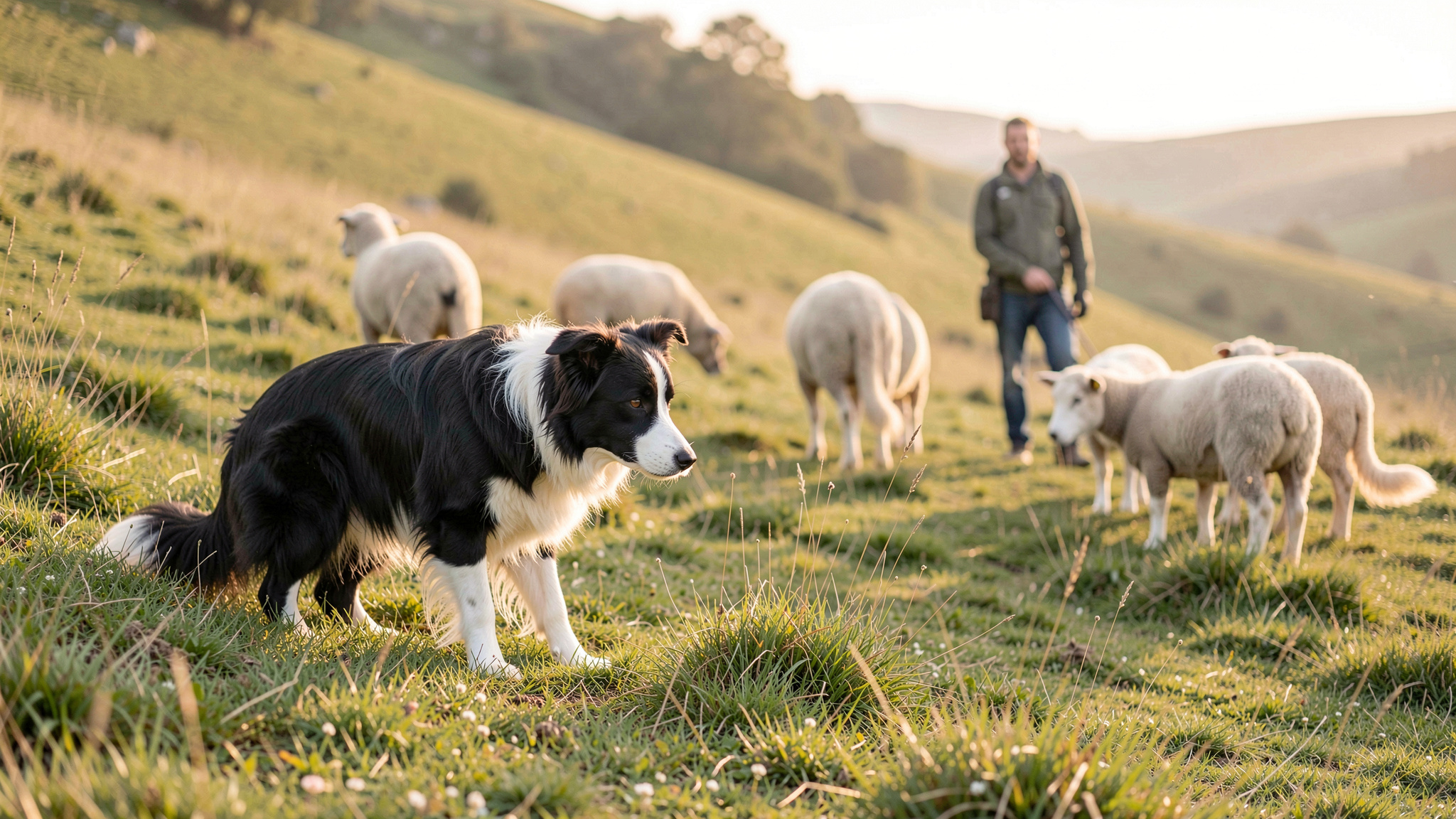
A herding dog is bred and trained to move livestock under a handler's direction, and herding dog competitions exist to measure that work under rules. Trials test whether a dog can control sheep, cattle or ducks on a set course while the handler stays at a distance. The sport rewards patience, stock sense and clean flanks far more than raw speed.
What happens at a herding trial
A trial course is a sequence of tasks. The dog gathers stock from a distance, lifts them, drives them away from the handler, pens them, and sometimes sheds one animal from the group. Judges score each element against a standard, and points come off for rough work, wrong flanks, gripping or losing control of the stock.
Handlers walk the course before the run. They read the field, the wind and the sheep, then decide where to stand and when to let the dog work. The dog reads the stock. That partnership is the whole event.
Different venues run different formats. Traditional sheepdog trials follow a long-established pattern with an outrun, a lift, a fetch, a drive, a pen and a shed. Other events use smaller arenas and simpler tasks. Coverage of the trial circuit, including scoring breakdowns and rule comparisons between sanctioning bodies, appears at herding dog competitions, where the differences between traditional sheepdog trials and AKC herding classes are laid out side by side.
Why pressure decides the outcome
Pressure is the reason most trial coverage exists. A trial dog is asked to work at the edge of what it can hold, and the handler's real skill is seeing the shift before it becomes an incident.
Stock tell you what they think of the dog. Sheep that bunch tight and stare at the dog are under pressure. Sheep that split, bolt or turn and face the dog are telling the handler the dog is too close, too fast or working the wrong side. A dog that keeps pushing when the stock are already yielding will grip, and a grip costs points or ends the run.
The handler manages that edge from a distance. Whistles and voice commands direct the dog, but the dog is making split-second decisions about balance. Good handlers give the dog room to think. Poor handlers crowd the dog with commands and take away its judgment.
How are young dogs introduced to trial competition?
Young dogs usually enter through an age-restricted class. The Nursery class is the common entry point in traditional sheepdog trials, and it exists to give developing dogs a place to learn the course without the full pressure of open competition.
Judging in these classes is calibrated to be forgiving. Handlers are not expected to run a polished outrun with a two-year-old dog. The class rewards the dog's natural balance, its willingness to take direction and its ability to hold stock without losing them.
A young dog that shows clean flanks, a steady pace and a willingness to stop on command has something to build on. A young dog that grips or runs wide and ignores the handler needs more time on stock before it returns to a trial field.
Which events fit which dogs?
Not every herding breed is built for the same course. Border collies dominate traditional sheepdog trials because the format was shaped around their working style: wide outruns, strong eye and a natural gather.
Other breeds work closer and drive more directly. Australian shepherds, Australian cattle dogs and various European herding breeds appear in arena trials and cattle work. Some sanctioning bodies restrict eligibility by breed or by registry, and some open classes to any dog that can move stock safely.
Handlers weighing a long-term training path should compare the rule sets before committing. Course design, judging philosophy and breed eligibility differ enough that the choice shapes years of training. A dog suited to one format may struggle in another, not because it lacks ability but because the tasks ask for a different kind of work.
What separates a finished trial dog
A finished dog works at a distance, takes directions from whistle and voice, and holds stock without constant correction. It knows the difference between a fetch and a drive. It can pen sheep that do not want to be penned and shed one animal from a group without scattering the rest.
Getting there takes years. Most handlers start a dog on quiet, dog-broke stock in a small field. They build the outrun first, then the lift, then the fetch. Driving comes later because it asks the dog to push stock away from the handler, which runs against a gathering dog's instinct.
Steadiness matters more than flash. A dog that runs wide and slow but never loses its sheep will beat a fast dog that splits the group. Judges see the same thing handlers see: control, not speed.
Stock, weather and the working day
Trials run outdoors in whatever the day offers. Heat, wind and rain all change how stock behave and how dogs work. Sheep move poorly in heavy heat and may refuse to flow. Wind hides scent and can push a dog off its line.
Handlers watch the stock before their run. They note which way the sheep drift, whether they are dogged or fresh, and how the field drains. A course that runs uphill into the wind asks for a different plan than one that runs downhill with the wind at the dog's back.
Water and shade for the dogs are part of the day. A working dog on a hot afternoon needs rest between runs, and handlers manage that as carefully as they manage the stock.
Watching a trial for the first time
A newcomer can follow a run by watching three things: the dog's distance from the stock, the handler's position and the sheep's body language. When the sheep move smoothly in the direction the handler wants, the dog is in the right place. When they break, something went wrong.
Score sheets help. Most trials post the points for each element, so a spectator can see where a run lost marks. The outrun, lift and pen are usually the biggest scoring sections.
Spectators should stay behind the ropes and keep dogs on leads. Stock are working animals, and a loose pet can wreck a run and frighten sheep. Quiet crowds make better runs.
The tradition behind the sport
Herding trials grew out of practical farm work. Farmers needed dogs that could gather sheep from hillsides, move them to market and hold them in a pen. Competition formalized those tasks and set a standard for breeding.
That standard still drives the breeds. Working lines are selected for stamina, biddability and stock sense, not appearance. A dog that cannot work stock is not a working dog, whatever its pedigree says.
The sport also preserves knowledge. Handling a dog on stock is a skill passed from one handler to another, learned by watching, by mistakes and by time in the field. Trials put that skill on display and keep the standard honest.