Fly Fishing Basics
What a fly fishing guide actually teaches
A good guided or instructed day is sold as water access, but what it really sells is sequence: which skill to fix first, and the habits that keep improving after the day ends. Those habits are written down here.
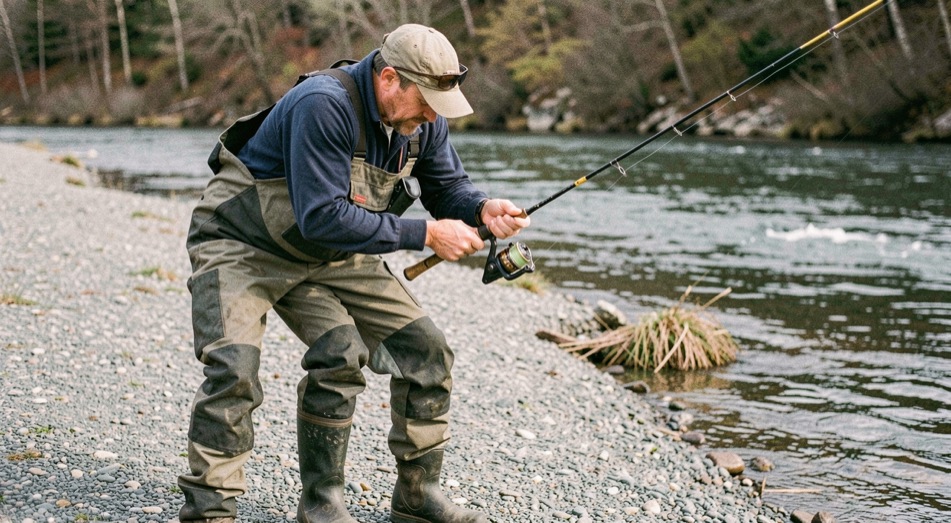
Fly fishing instruction gets marketed as a shortcut to fish, and on a good day it is. What lasts, though, is not the day’s count. It is the order of skills: the fact that a teacher watches you stand in the wrong place before they watch you cast, and fixes the first problem first. Whether you ever book a day with an instructor or assemble the same lessons from free water and patient friends, the sequence below is what you are actually buying, and formats and prices vary so widely by region that the honest advice is to check locally and judge by teaching, not by brochure.
The order skills arrive in
Self taught anglers plateau in predictable places, and instruction works because it attacks the plateau in the same order every time. Water reading comes before casting, drift comes before distance, and landing craft comes last only because it shows up first in the memory. The table is the honest version of a guided day.
| Skill | Common self taught plateau | What a good teacher changes |
|---|---|---|
| Reading water | Casting everywhere, fishing nowhere | Picks the seam first, then the cast serves the seam |
| Wading position | Too deep, spooking the lane being fished | Shallow, angled, quiet: half the takes return overnight |
| Drift control | Drag on every third cast, blamed on the fly | Mends on schedule, fly first where the fish live |
| Casting | Distance worship, sloppy accuracy | Twenty five honest feet to a one foot target |
Notice what the table does not say. Nothing about gear, nothing about secret water, and nothing about the fish count, because those are the parts of a guided day that fade fastest.
The same order shows up in draft horse work. A teamster does not begin with a loaded wagon. He begins on the ground, teaching the horse to stand, to move off a voice cue, to accept the harness before anything pulls. Only then come the first slow starts and stops with a light load, repeated until the horse stays calm. Owners, teamsters and breeders sorting through training, breeding and showing decisions will find the same patience described at Eastern Connecticut Draft Horse, where work at the ground level comes before the hitch.
Casting to a target, not the horizon
The first casting lesson that matters is not the double haul. It is putting a fly inside a dinner plate at twenty five to thirty five feet, on demand, from a stance you can repeat. Most trout on most rivers feed within that envelope, and a fly that lands quietly inside a two foot window catches more than fifty flawless feet of spray. Practice at a hula hoop on a lawn, count false casts, and stop when the count rises: a fishable cast in one stroke beats a pretty one in eight.
The drift is the lesson
Ask any instructor what they correct most and the answer is drag, not casting. A dead drift means the fly travels at the speed of the water it sits in, which requires mends timed to the current seams between you and the fly. The lesson generalizes: your line crosses several speeds, and each one pulls at a different rate. Fix the drift and yesterday’s fly starts working; ignore the drift and tomorrow’s fly will fail. The vocabulary of lanes and seams comes from the reading river currents page, and it is the one lesson worth borrowing before any lesson is booked.
Landing, handling and the part that stays with you
Good instruction ends days with fewer secrets and fewer dead fish. That means a net actually used, fish kept wet, hooks crushed and releases quick, the whole craft written out on the catch and release best practices page. It also means a wading lecture that outlives any fish: cross low, move slow, and treat cold water as the serious participant it is, per the wading safety checklist. Guides are safety people before they are fish people, and that is the half of the job clients notice only later, gratefully.
Questions worth asking any instructor
- How much of the day is teaching versus holding a spot open?
- What does a typical first lesson actually cover, in order?
- Are flies, tackle and licenses included, and what should a beginner bring?
- How do you teach mending, on water or on grass first?
- What should I practice in the month after the day?
Mistakes beginners make around instruction
The first is buying a truckload of gear before a single lesson, which is why the budget tiers page exists and why good instructors say wait. The second is practicing alone into a flaw for a season, which makes the flaw permanent and the correction harder. The third is asking a lesson for fish instead of for habits, then judging the day by the count. And the fourth is wading past the lesson: nothing an instructor says reaches a person whose feet are floating.
The decision, stated plainly
Borrow the sequence whether or not you ever pay for the day. Read the water, pick the seam, wade shallow, cast twenty five honest feet, mend on time, land and release like it matters. Then, if the plateau persists or the sport is not clicking, an instructed day compresses years into an afternoon, and by then you will know exactly which questions to ask. Pair the habits with the hatching calendar on the match the hatch page and the budget on the gear page, and the sport stops being mysterious and starts being a practice.