Hunting Seasons
Small game seasons: the honest way to start hunting
Every experienced hunter has a small game season in their past, and most will defend it as the best education the sport offers. The windows are long, the gear is cheap, and every skill it teaches transfers upward.
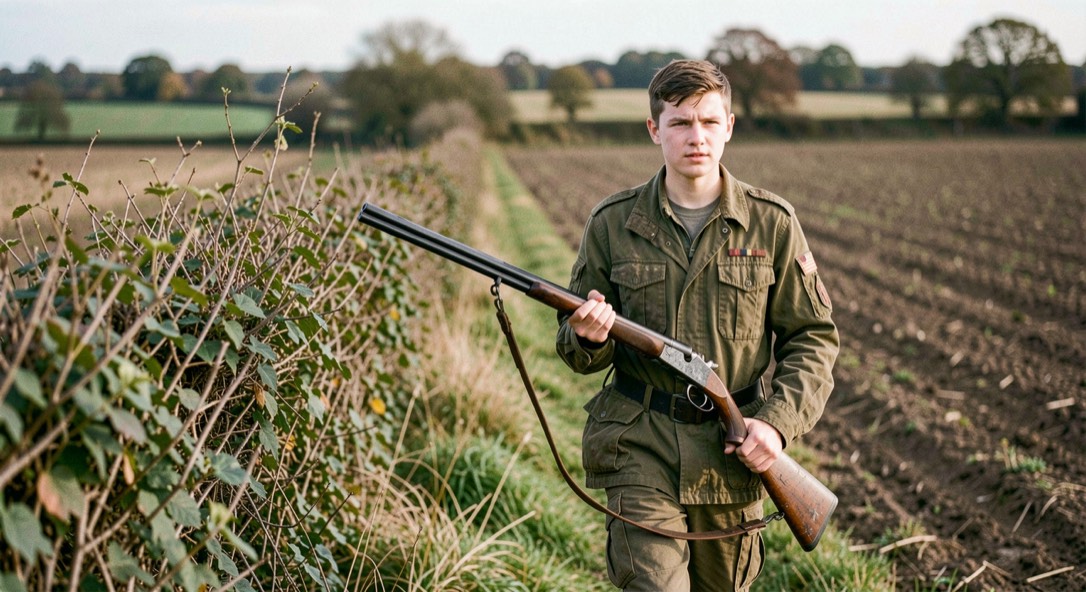
Nobody starts hunting with a trophy. They start with a short season, a small caliber or gauge, and a species abundant enough to forgive a beginner, which is exactly what small game is for. Squirrel, rabbit and dove seasons open early, run long, and put you in the woods on days the big game woods are empty. The skills compound: quiet movement, reading edges, patient standing still, clean shots at honest ranges. This page lays out the typical frames, the minimal kit and the fieldcraft that transfers upward, because the honest way in is also the fastest way up.
Why the teaching seasons come first
Small game hunts are short by design: two hours at first light or a slow afternoon walk, no stands, no ritual, no pressure. That shape is what makes them good teachers. You get dozens of repetitions at the moments that matter, a pause at a field edge, a frozen minute while something feeds, a single safe shot decision, instead of the two or three moments a deer season offers per year. Youth and adult mentors alike learn faster at this frequency, and the license cost for the whole season is typically modest, as the licenses page details.
The typical openers, species by species
Frames below are generic across many states and every one of them bends to your own booklet; the season calendar guide explains why the variation exists. Learn the shapes, then verify the dates for your unit.
| Species | Typical frame | Habitat and method |
|---|---|---|
| Squirrel | Late summer into winter, among the earliest openers | Hickory and oak ridges; sit and watch, then still hunt |
| Rabbit | Autumn into late winter | Brush piles, hedgerows and field edges; walk slow, dress warm |
| Dove | A September opener is common, with later splits | Shotgun over cut fields and water; plenty of shells and patience |
| Pheasant | Mid autumn through winter where stocked or established | Grassland edges and public walk areas, best with company |
| Quail | Autumn into winter where habitat remains | Brushy corners and pine country edges, quiet dogs or slow legs |
The kit fits in a daypack
Small game rewards economy. A modest shotgun or a small caliber rifle where legal, one box of appropriate shells or cartridges, blaze cap or vest to the state’s requirement, boots you forgot you were wearing, and a game vest or daypack. Add water, a knife and a way to carry the harvest respectfully. That is the loadout; the upland gear checklist page turns it into a packing list with typical price bands. Anyone who tells you this sport requires more money has not walked a rabbit hedgerow lately.
The first small game hunt checklist
- License bought and any required stamps or permits handled in advance.
- Blaze orange worn to the booklet’s letter, early season woods are shared woods.
- Boundaries known: public land lines marked on the map in your pocket.
- One position practiced at the range: mounted swing for shotgun, rested shot for rifle.
- A plan for the harvest, cooler or game bag, decided before the first shot.
Fieldcraft that transfers upward
Four habits earned in small game seasons carry into every hunt that follows. First, stillness with a purpose: squirrels resume, and so does everything else, when you stop moving for ten honest minutes. Second, edge reading, the constant question of where brush meets feed meets cover, which is the same question deer hunters ask at a larger scale. Third, the single shot discipline of taking only the clean, safe, in range opportunity. Fourth, the after the shot work, prompt retrieval and respectful handling, the habit that separates hunters from shooters and never stops mattering.
Where to go without inside help
New hunters assume they need a mentor with private land, and they are wrong in the most useful way. State wildlife agencies maintain wildlife areas, walk in programs and other public ground that is mapped in the same booklet that carries the seasons, and small game is precisely what most of that ground is managed for. Pick two public spots within an hour of home, walk them in daylight before the opener, and note where the brush meets the feed. Nobody needs a legacy to hunt squirrels; a map and a morning are enough, and the access customs that keep that ground open are written on the etiquette page.
Mistakes new small game hunters make
Walking too fast is the classic; a rabbit hedgerow is walked at a shamed turtle pace, stop included. Shooting beyond the honest envelope is the dangerous one, and it is retired by practice and by saying no to marginal birds. Wearing earth tones into a shared early season woods instead of the required blaze is the preventable one. Skipping the after action note, which is how the same hedge gets hunted empty all season. And underestimating the paperwork, because stamps and permits apply to doves and migratory birds in most frameworks, as the license page lays out.
The decision, plainly
If you are new, or returning after years away, buy the small game license before any other and hunt two squirrel mornings and one rabbit hedgerow before the year turns. The cost is an afternoon’s wages, the woods are quiet, and every habit you build there is the one the deer timeline assumes you already have. Start where the seasons are long and forgiving; that is what they are for.